
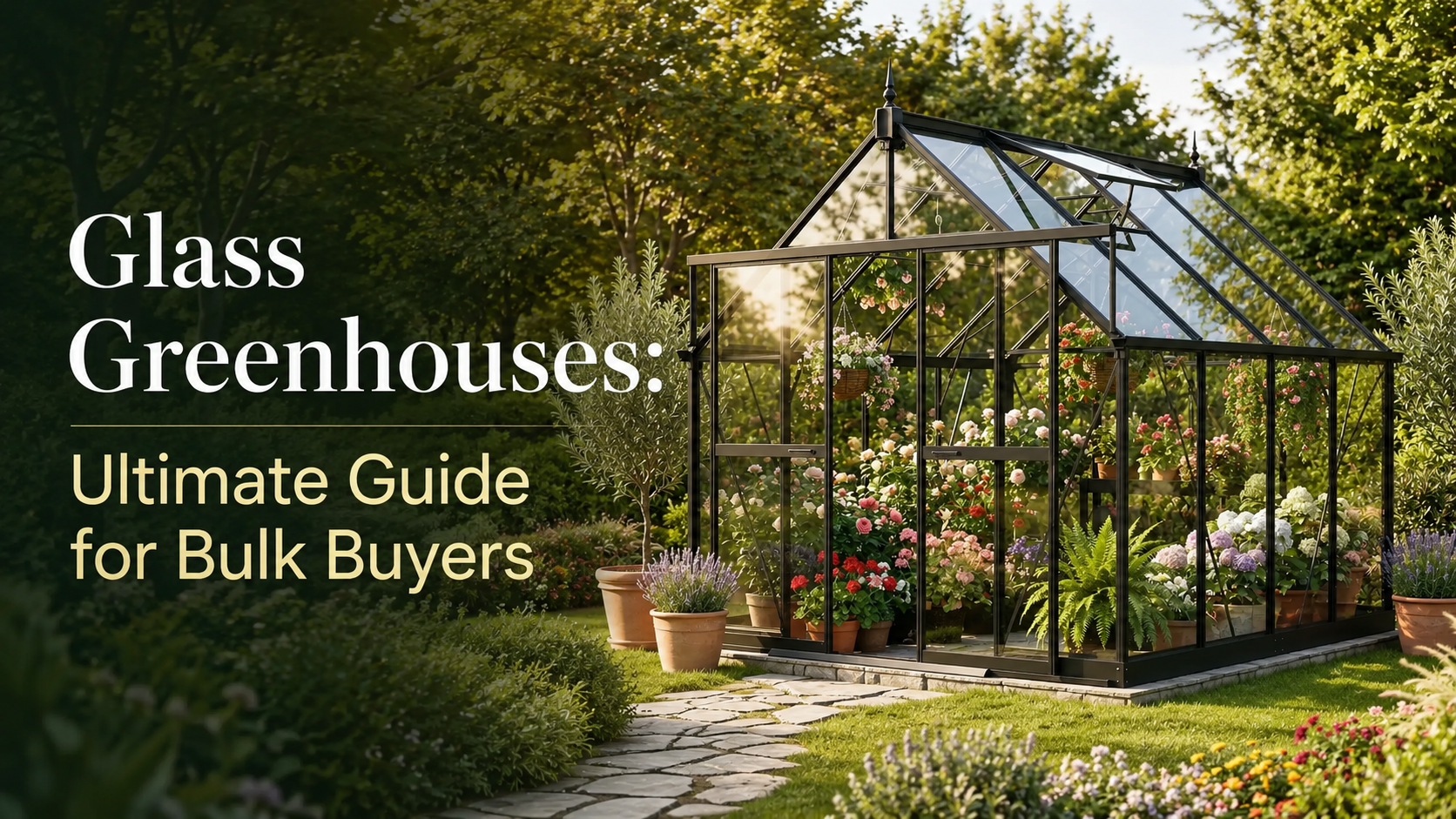
Glass Greenhouses: Ultimate Guide for Bulk Buyers
A glass greenhouse is still one of the most attractive products in the garden greenhouse category. It offers a premium…
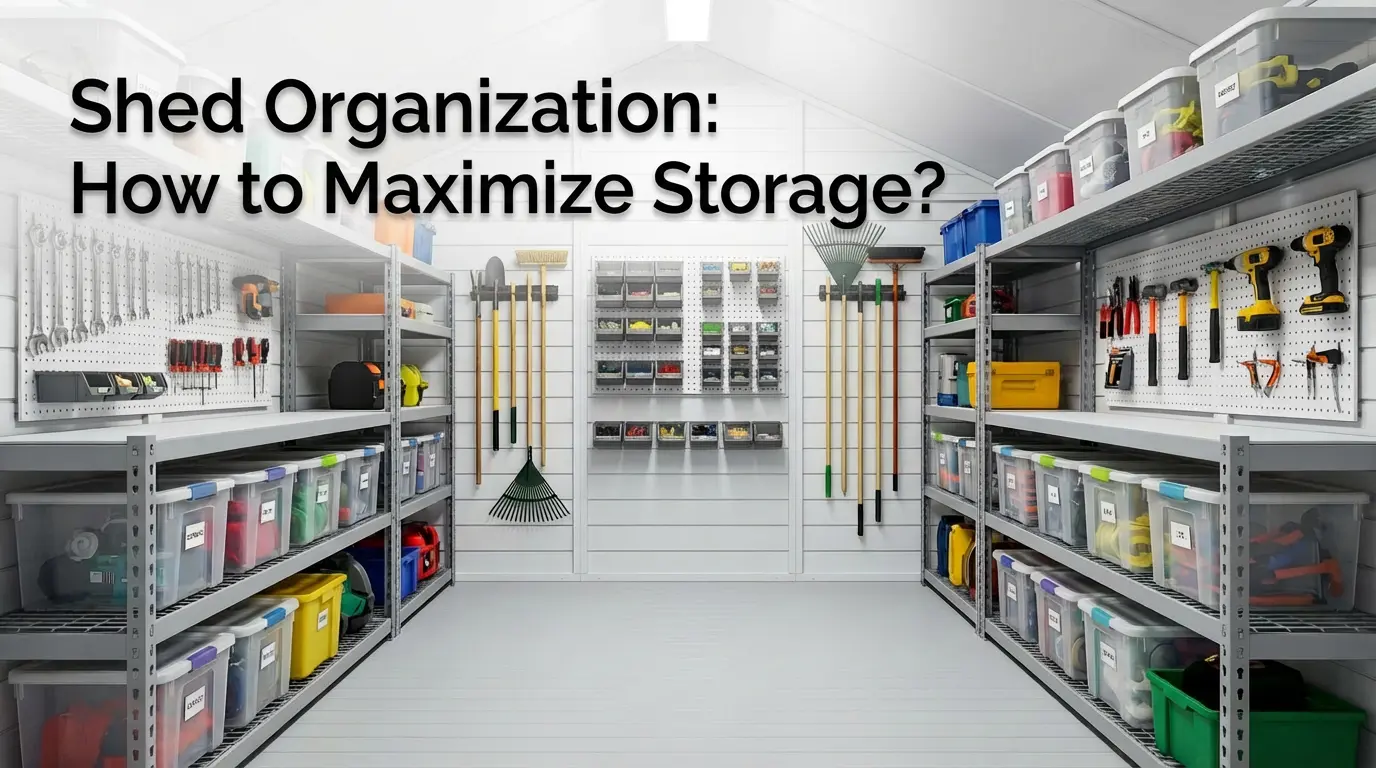
Shed organization begins before you buy your garden shed. Proper planning is essential to maximizing storage capacity and long-term efficiency. Before purchasing the shed, you need to think strategically about what you plan to store, how often you’ll use it, and how to make the best use of the space.
Begin by making a detailed list of everything you intent to store in your shed, such as gardening tools, hand tools, sports equipment, and seasonal items. Understanding exactly what will go inside your shed helps you select the right shed size, layout, and style. You can divide these storage items into categories like “occasional”, “seasonal”, and “daily use” for better organization. This simple categorization not only improves storage efficiency but also ensures your shed remains organized.
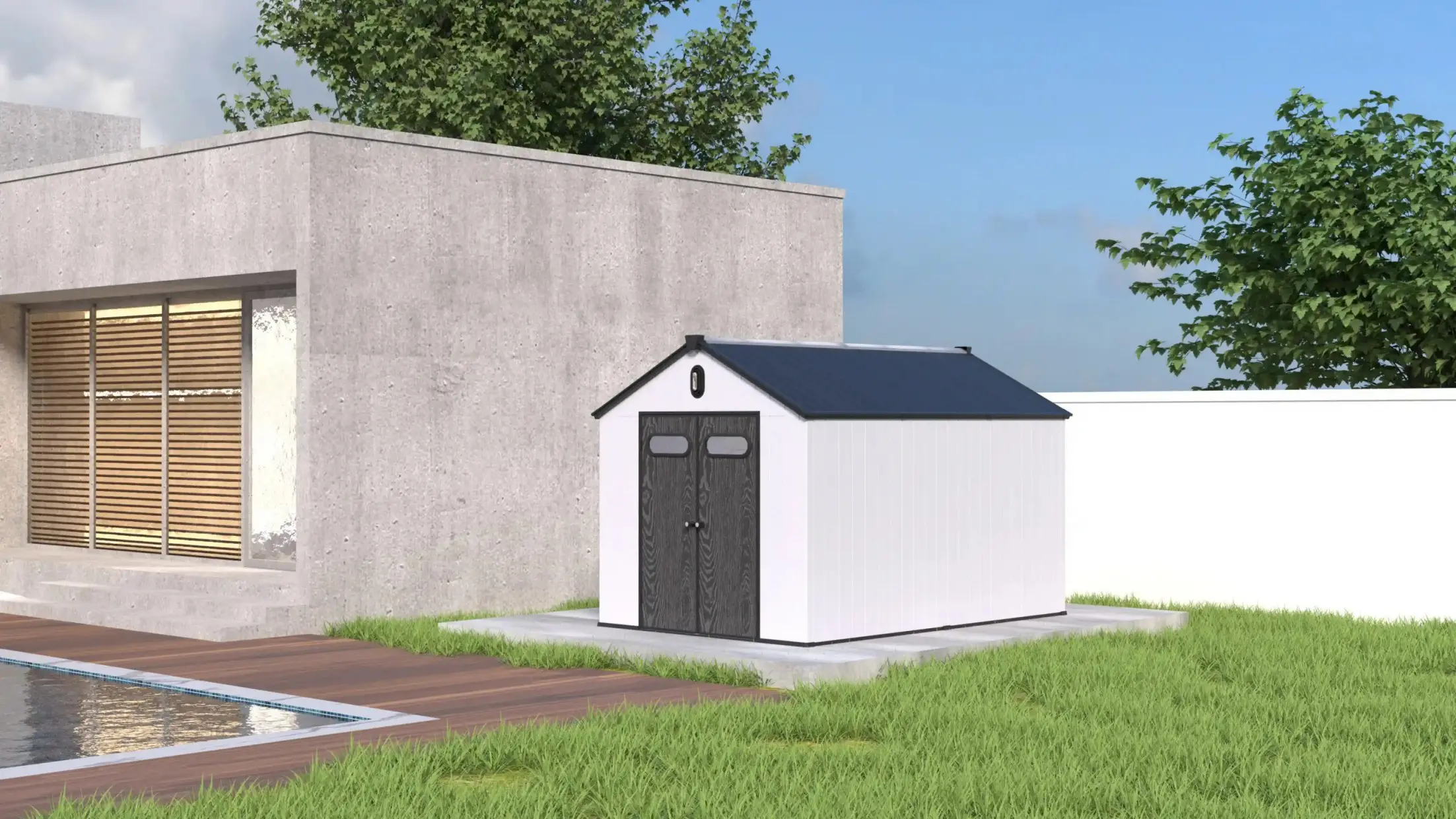
Selecting the right shed size is one of the most important and often overlooked steps in shed planning. Choosing a too small shed can quickly lead to clutter and limited usability, while an oversized shed may result in wasted space and higher cost. Carefully evaluating your storage needs helps you find the best balance between functionality and budget.
DiBiBi offers different shed sizes for different needs, feel free to contact us for more information.
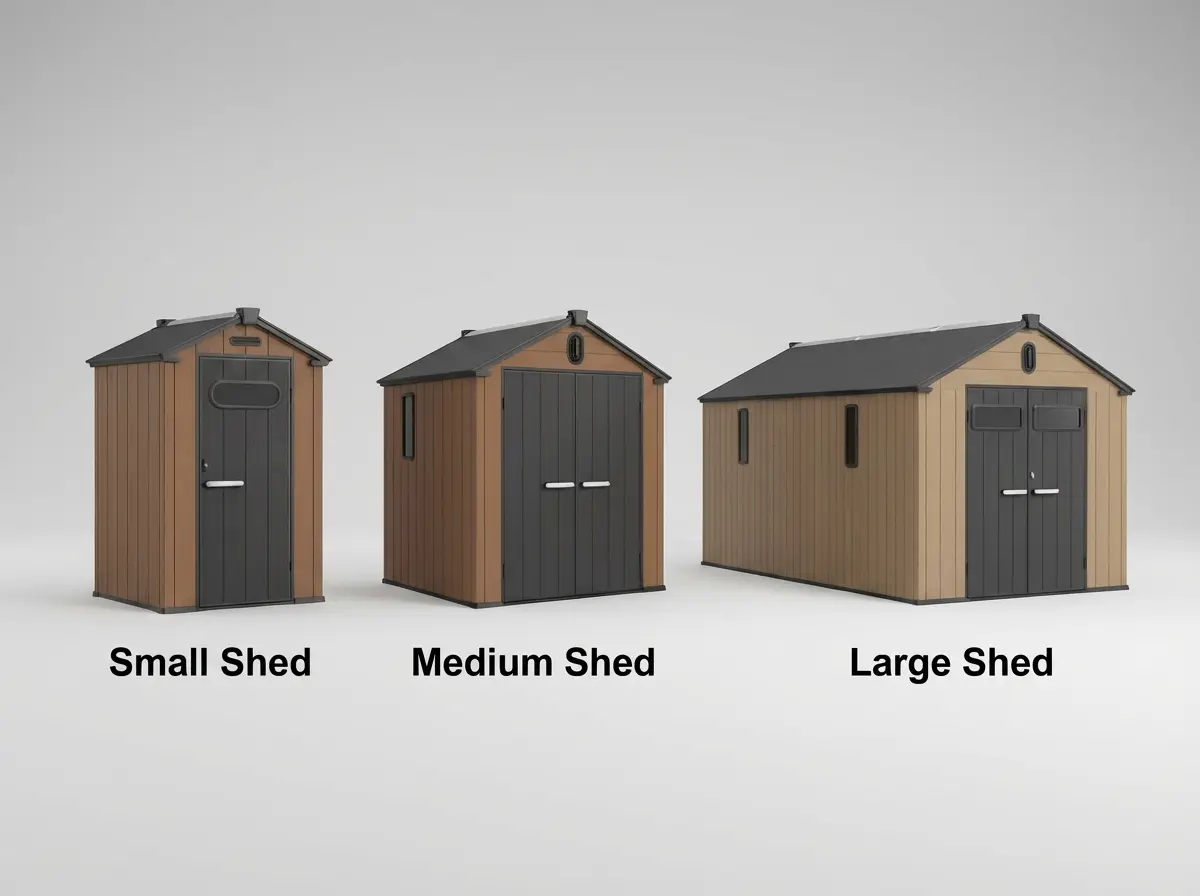
Choosing the right shed size is essential for efficient organization and long-term usability. A well-sized shed not only keeps tools and equipment neatly but also allows room for future storage expansion. DiBiBi offers a wide range of shed sizes designed to meet diverse needs – from compact solutions for everyday tools to spacious models suitable for large equipment and bulk storage.
Shed access also matters for organization. For example, double doors make it easier to bring in big items, and windows help with light so that you can find items easily. Planning door or window placement before buying sheds can make storage effective from the start.
Many sheds become cluttered quickly because items are placed randomly with no clear structure. Planning storage zones in advance allows you to make better use of every area separate large equipment from small tools to improve workflow and safety. Plan storage zone separately for tools, equipment, working, or seasonal items.
Once your shed is installed, it’s the perfect time to optimize the space. If you want to refresh your shed and make outdoor projects easier to manage, upgrading your shed organization and maximizing shed storage is a smart investment. Below is DiBiBi’s practical guide to maximizing shed storage, designed to help you improve usability.
Before organizing your shed, start by removing what you don’t need. Removing unnecessary items frees up valuable space and makes the organization process more effective. A clean, uncluttered shed allows you to better visualize how the space can be used.
Discard or recycle broken tools, remove duplicate items you no longer need, and let go of equipment you never use. Focus on keeping the tools and supplies you rely on regularly. By decluttering first, you create a solid foundation for an organized, efficient shed that’s easy to maintain over time.
Once you have trimmed down what stays, it’s time to sort and plan zones. Create zones for gardening, DIY tools, outdoor living, and seasonal items. Keep frequently used items at eye-level or near the door.
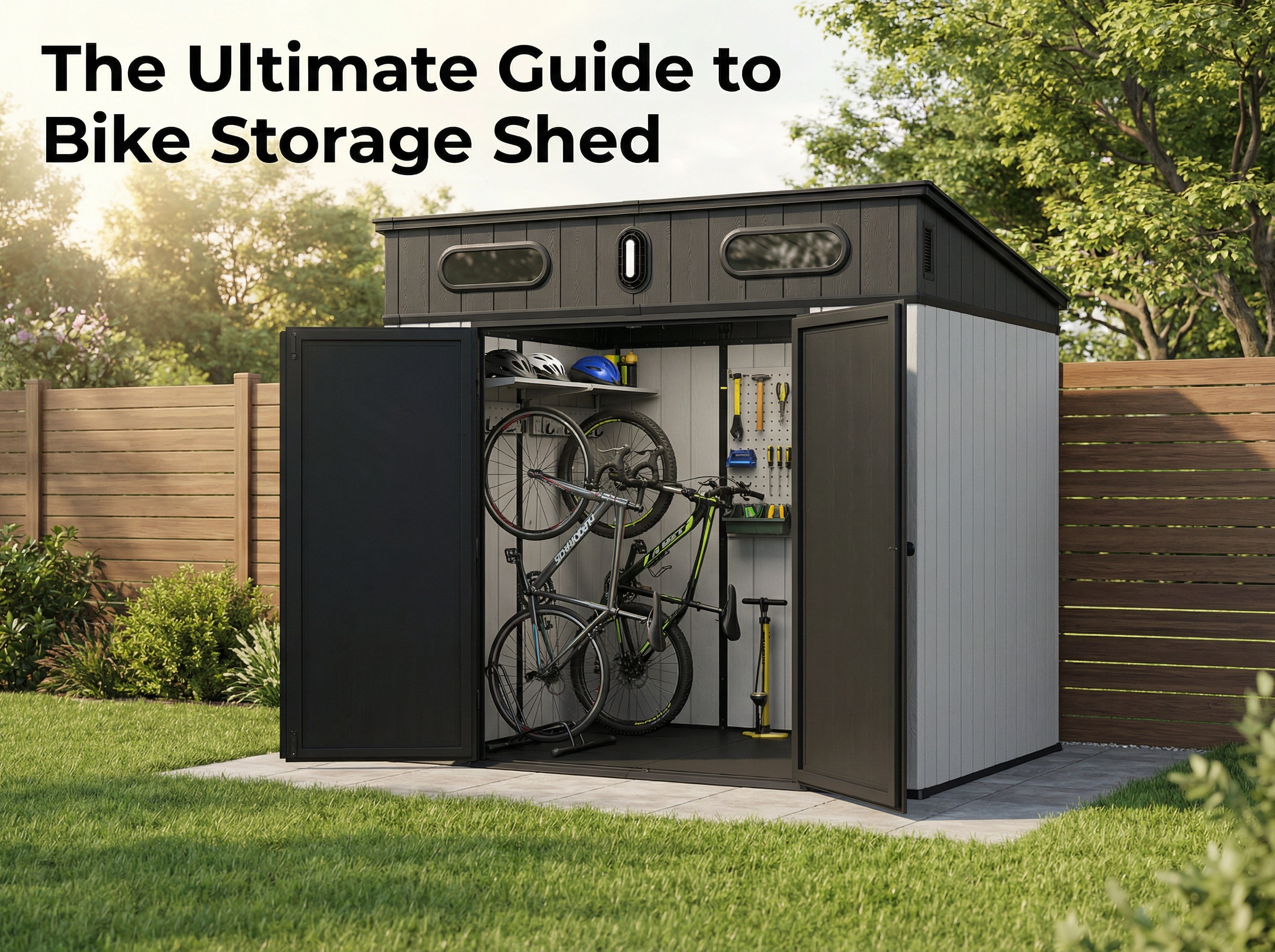
Your sheds’ walls are always the good place for storage. Install shelves, pegboards, hooks, and rails to hang long-handled tools, hoses, ladders, and extension cords. You can also add overhead racks for lightweight and infrequently used items.
Storage containers play an important role in keeping small items organized and protected. They transform loose, easy-to-lose items into neat and stackable units. They also protects those items from dust, pests, and moisture. Choose durable, stackable bins for items like garden chemical or painting supplies and select compact boxes for smaller items like screws, nails, hardware, and seeds.
Using storage containers alone is not enough. Remember to label tubes, shelves, and cabinets so that you can quickly locate what you need without wasting time searching. If tools and supplies sit in a shed for months without labels, it’s easy to forget where everything is stored, leading to frustration. Using a marker or printed labels helps you identify items at a glance.
Consistent labeling not only saves time but also helps maximize shed storage space by keeping everything in its designated place.