
Glass Greenhouses: Ultimate Guide for Bulk Buyers
A glass greenhouse is still one of the most attractive products in the garden greenhouse category. It offers a premium…
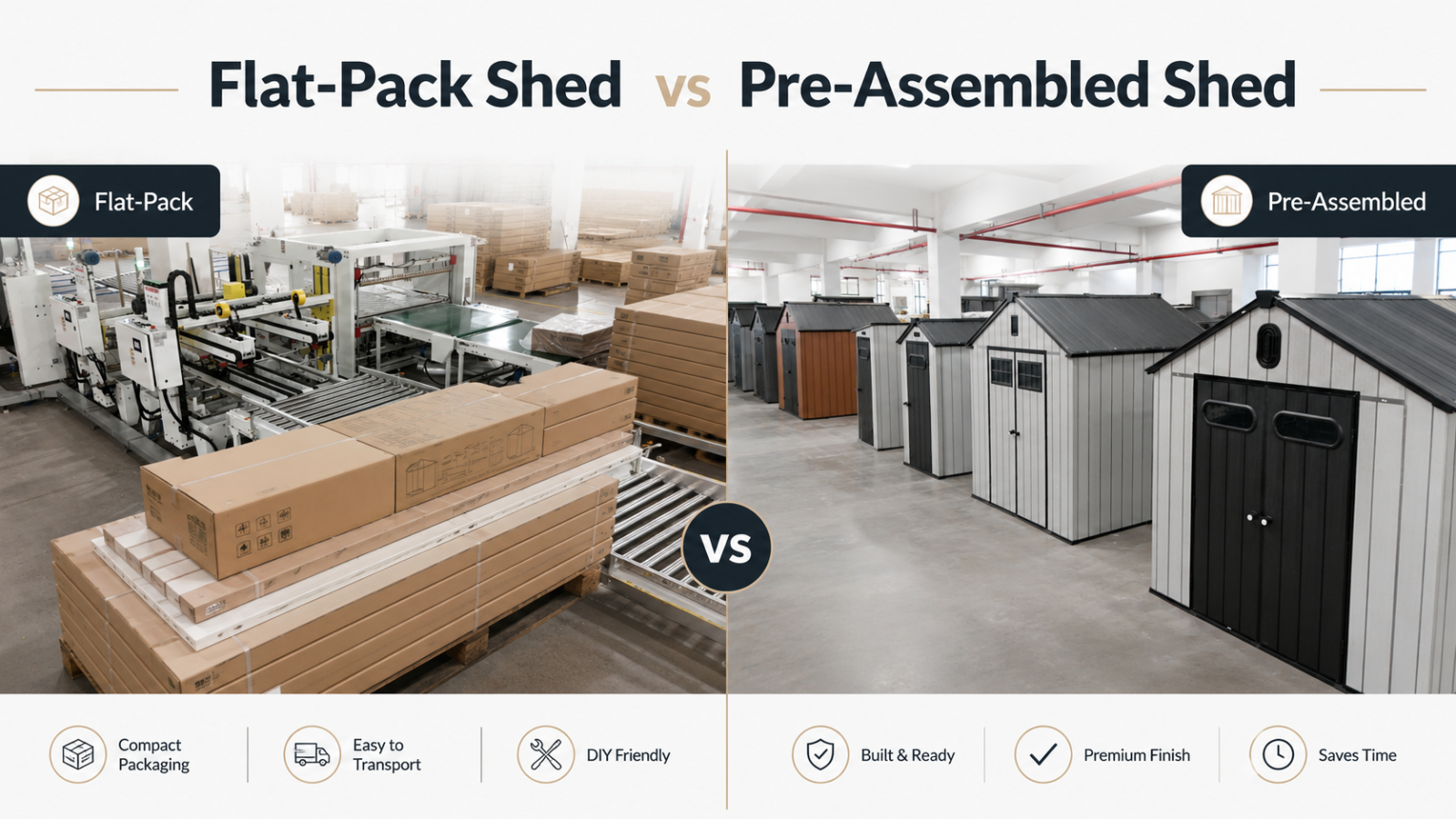
Choosing between a flat-pack shed and a pre-assembled shed affects freight cost, container loading, warehouse space, retail handling, customer assembly experience, and after-sales risk.
In most international wholesale orders, flat pack sheds are the more practical choice because they are compact, easier to ship in bulk, and better suited to retail and e-commerce distribution. Pre-assembled sheds can still work for local delivery models or premium installation services, but they are usually less efficient for cross-border bulk orders.
Quick answer: If your business imports sheds, sells through DIY stores or online channels, or needs OEM/private-label packaging, flat pack sheds usually offer better logistics efficiency and scalability. If you sell locally with installation service included, pre-assembled sheds may be worth considering.
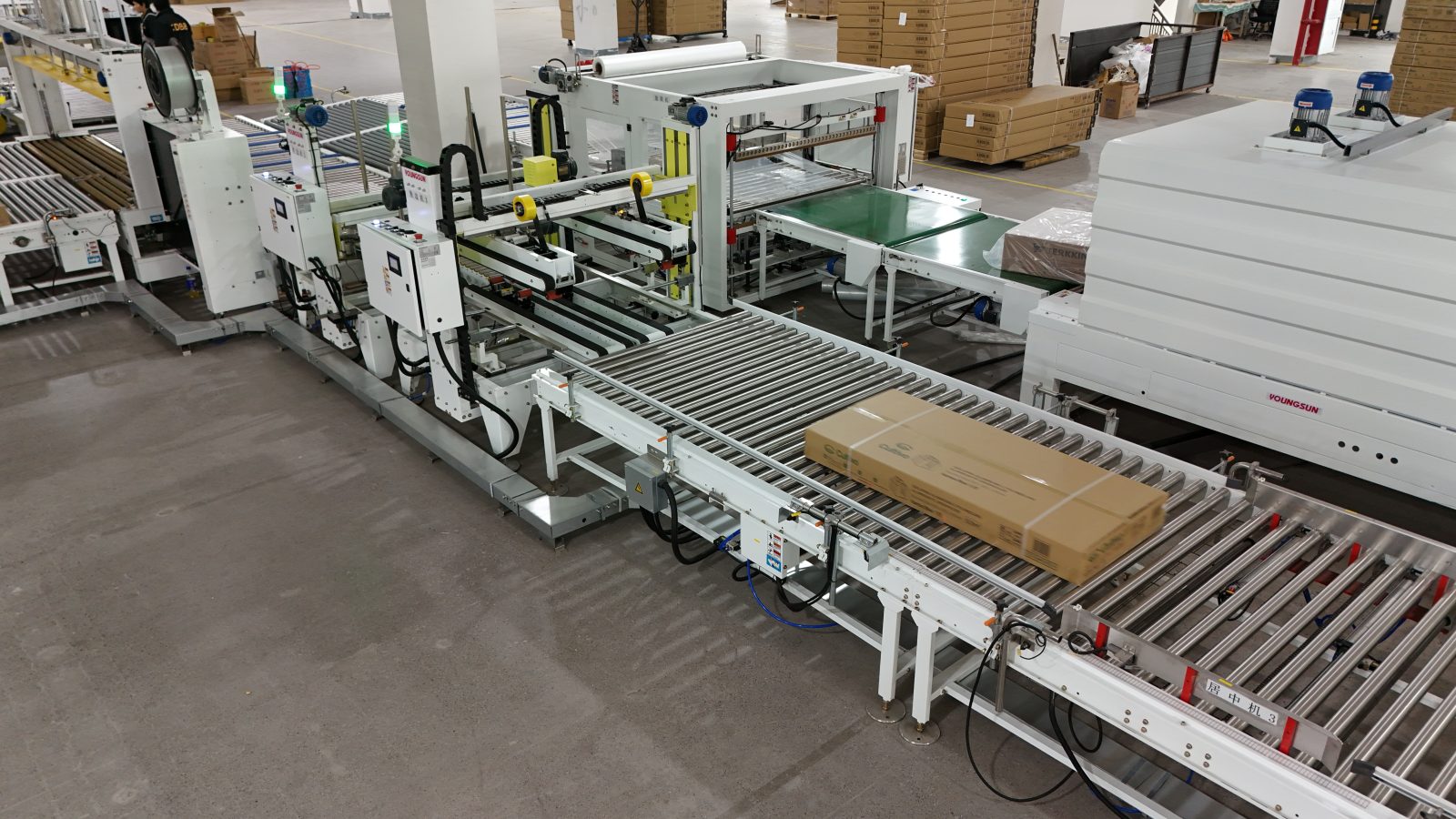
A flat-pack shed is supplied as a compact kit. The package normally includes panels, frame parts, screws, accessories, and an instruction manual. The end user, installer, retailer, or local service partner assembles the shed after delivery.
For B2B buyers, the main value is that the product can be packed into standardized cartons, shipped more efficiently, stored more easily, and sold through multiple retail channels.
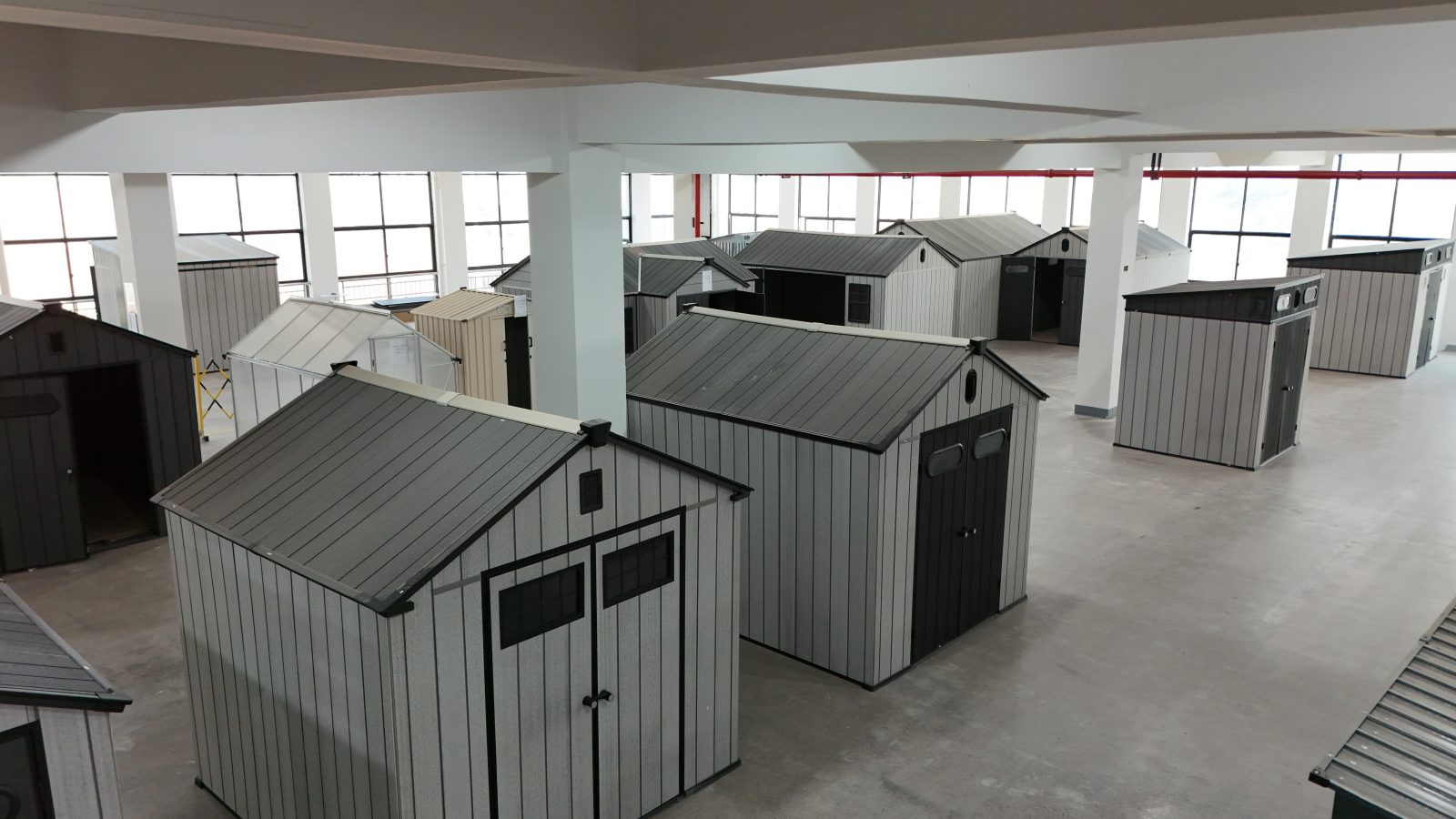
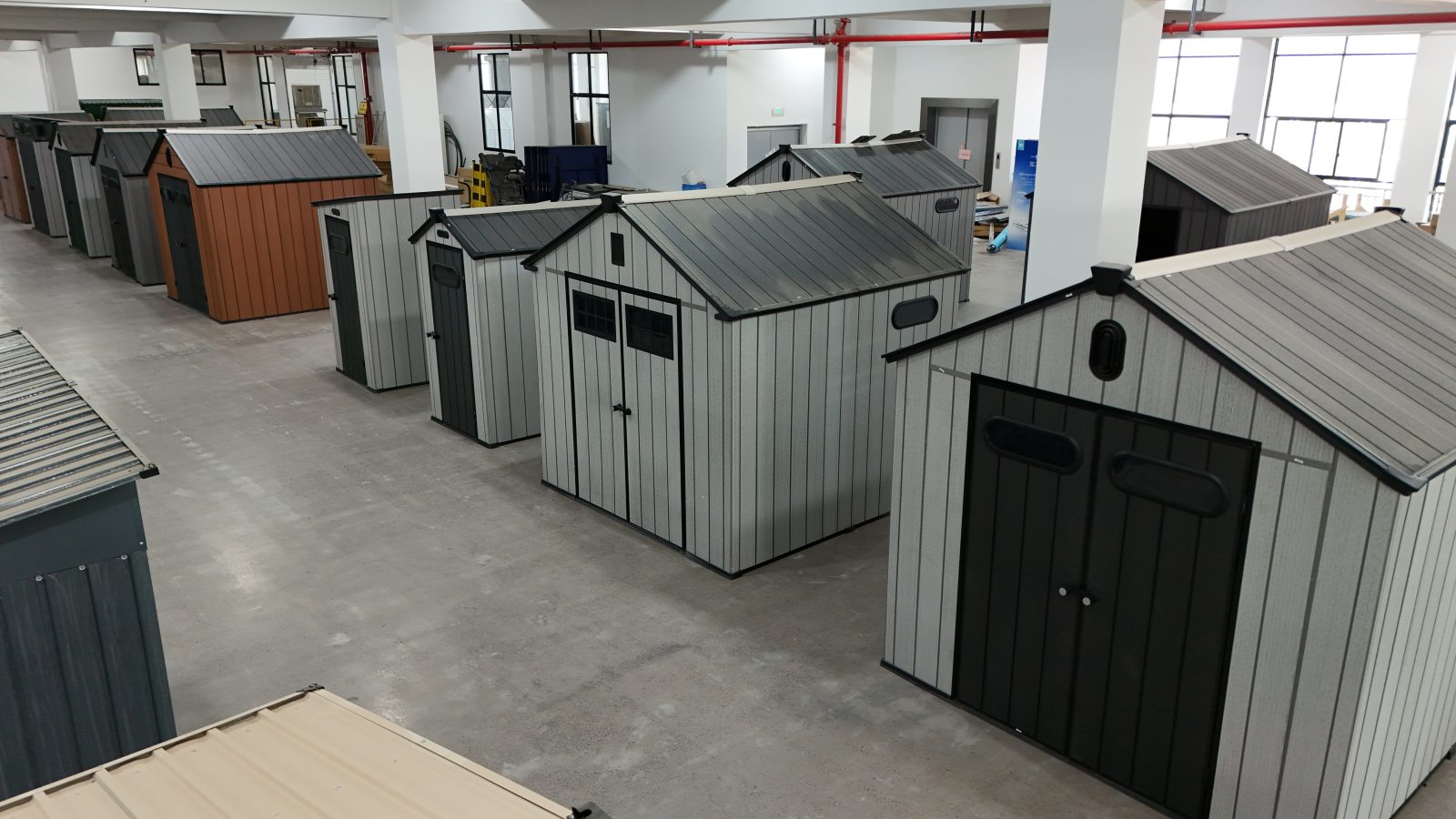
A pre-assembled shed is fully or mostly assembled before delivery. It reduces installation work for the final customer and can create a stronger first impression in showroom or local dealer environments.
However, pre-assembled sheds usually take more shipping space and require more careful handling. They may suit small quantity orders, local delivery, premium installation services, or regional sales models. For export wholesale orders, the larger packed volume often creates higher freight, warehouse, and local delivery costs.
| Factor | Flat Pack Shed | Pre-Assembled Shed |
|---|---|---|
| Shipping volume | Lower packed volume per unit | Higher volume because the shed is already assembled |
| Container loading | Usually more efficient for 20GP and 40HQ containers | Less efficient for bulk export shipments |
| Retail storage | Easier to store, stack, label, and handle | Requires more warehouse and showroom space |
| Assembly | Customer or installer assembly required | Minimal assembly for the final customer |
| Damage risk | Lower when cartons, panels, and hardware are packed well | Higher risk during bulky handling and local delivery |
| Factory labor cost | Usually lower because full assembly is not required | Usually higher because more factory labor is needed |
| Wholesale suitability | Strong for importers, distributors, and retail programs | Limited for large export orders |
| E-commerce suitability | Strong when carton size and weight fit delivery rules | Weak to moderate because delivery is more complex |
Flat pack sheds usually perform better in sea freight, warehouse handling, local delivery and damage claims because they reduce packed volume and make container loading more efficient. More units can often fit into a container compared with pre-assembled sheds, although the exact quantity depends on shed size, carton dimensions, pallet loading method, and mixed-container plan.
Flat pack sheds also fit common retail models. DIY stores, garden centers, supermarkets, warehouse clubs, and online sellers often prefer products that can be stored in cartons, scanned by SKU, moved through distribution centers, and shipped to end users without oversized delivery requirements.
Pre-assembled sheds are not always the wrong choice. They may be suitable when the business model depends on local delivery and installation service. A regional dealer selling premium sheds may want to reduce customer assembly work and provide a finished product experience.
Pre-assembled sheds can also work for showroom sales, small quantity orders, custom local projects, or markets where customers strongly resist DIY assembly. The tradeoff is that buyers must accept higher storage requirements, more difficult handling, and usually higher delivery cost.
Shipping efficiency is one of the main reasons wholesale buyers compare flat pack sheds with pre-assembled sheds. Flat pack shed packaging can reduce CBM per unit because panels, frames, roofs, doors, and hardware are packed in a compact form instead of being shipped as a bulky finished unit.
Before placing a bulk order, buyers should ask the supplier for carton dimensions, gross weight, net weight, CBM per unit, pallet loading options, and estimated 20GP or 40HQ loading quantity. These figures are more useful than a general claim that one format is cheaper.
Key questions to ask:
Flat pack shed packaging gives the supplier more control over how each component is protected. Panels can be layered, hardware can be packed separately, and accessories can be checked against a parts list. Standardized cartons are also easier to label for export shipping, warehouse handling, and private-label retail programs.
Pre-assembled sheds are larger and harder to move. Doors, corners, roof edges, and panels may be exposed to more damage during handling. This does not mean pre-assembled sheds are always high risk, but it does mean packaging, loading, warehouse movement, and local delivery need stricter planning.
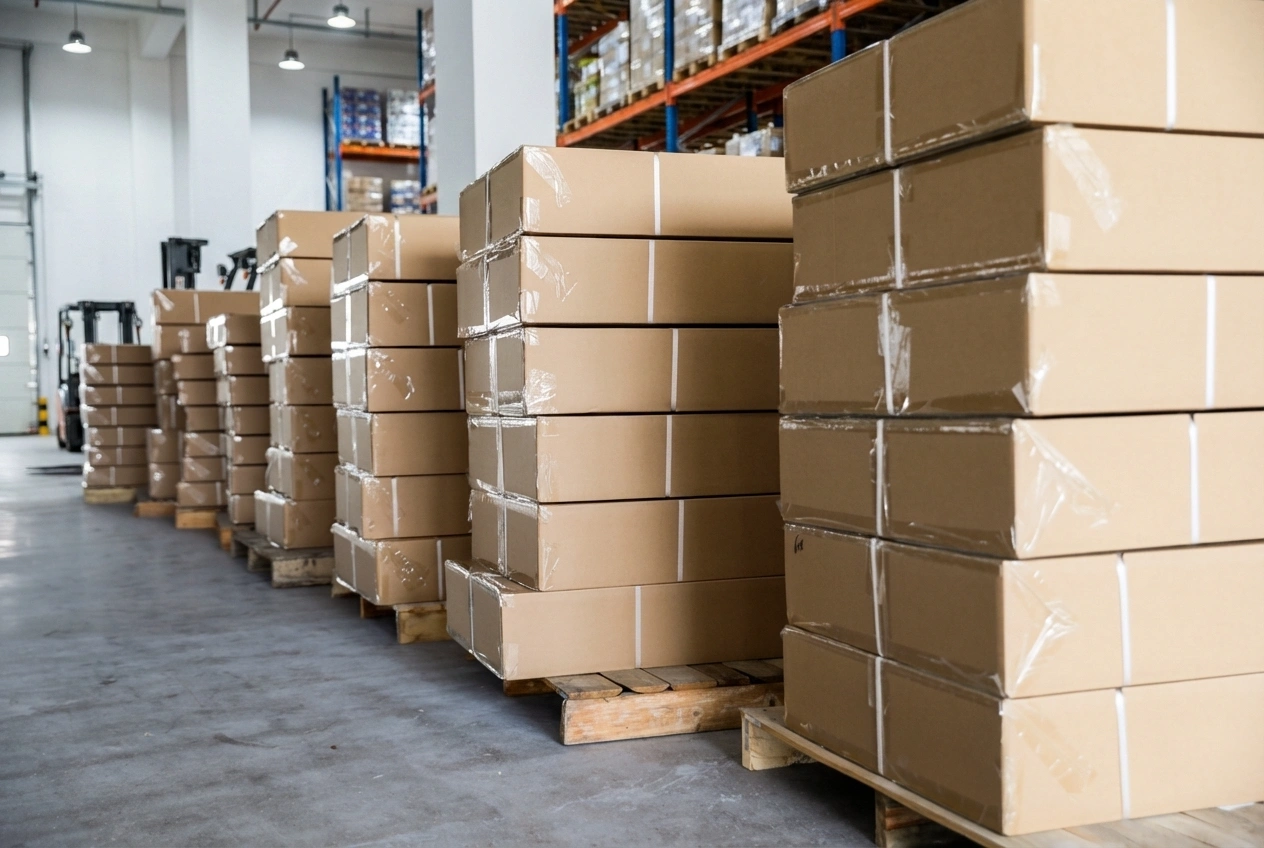
Flat pack sheds are usually better for high-volume retail and e-commerce channels. Cartons can be stacked, barcoded, photographed, listed online, and shipped through more predictable logistics workflows. They are also easier to adapt for private-label programs because the carton, manual, SKU label, and accessory pack can be customized.
Pre-assembled sheds are more suitable for local dealers, installation service providers, and premium showroom models. They can reduce the final customer’s work, but they are harder to scale across long-distance distribution networks.
Wholesale buyers should compare total landed cost, not only unit price. A practical cost comparison should include factory labor, packaging, sea freight, container loading efficiency, warehouse cost, local delivery, damage rate, return risk, and replacement parts.
Procurement rule: The lowest factory price is not always the lowest total cost. Choose a reliable shed manufacturer(see: How to choose a reliable shed manufacturer) and compare packed volume, loading quantity, damage risk, assembly complaints, and after-sales support before choosing a shed format.
The biggest weakness of a flat pack shed is the assembly experience. If the instruction manual is unclear, holes are inaccurate, hardware is missing, or panels are difficult to align, customers may complain or request returns. For wholesalers and retail buyers, this becomes an after-sales cost.
A good flat pack shed supplier should reduce this risk before shipment. Buyers should look for numbered parts, clear manuals, spare hardware packs, QR-code assembly videos, accurate parts checklists, and pre-shipment assembly tests. These details can make a flat pack product easier to sell and easier to support.
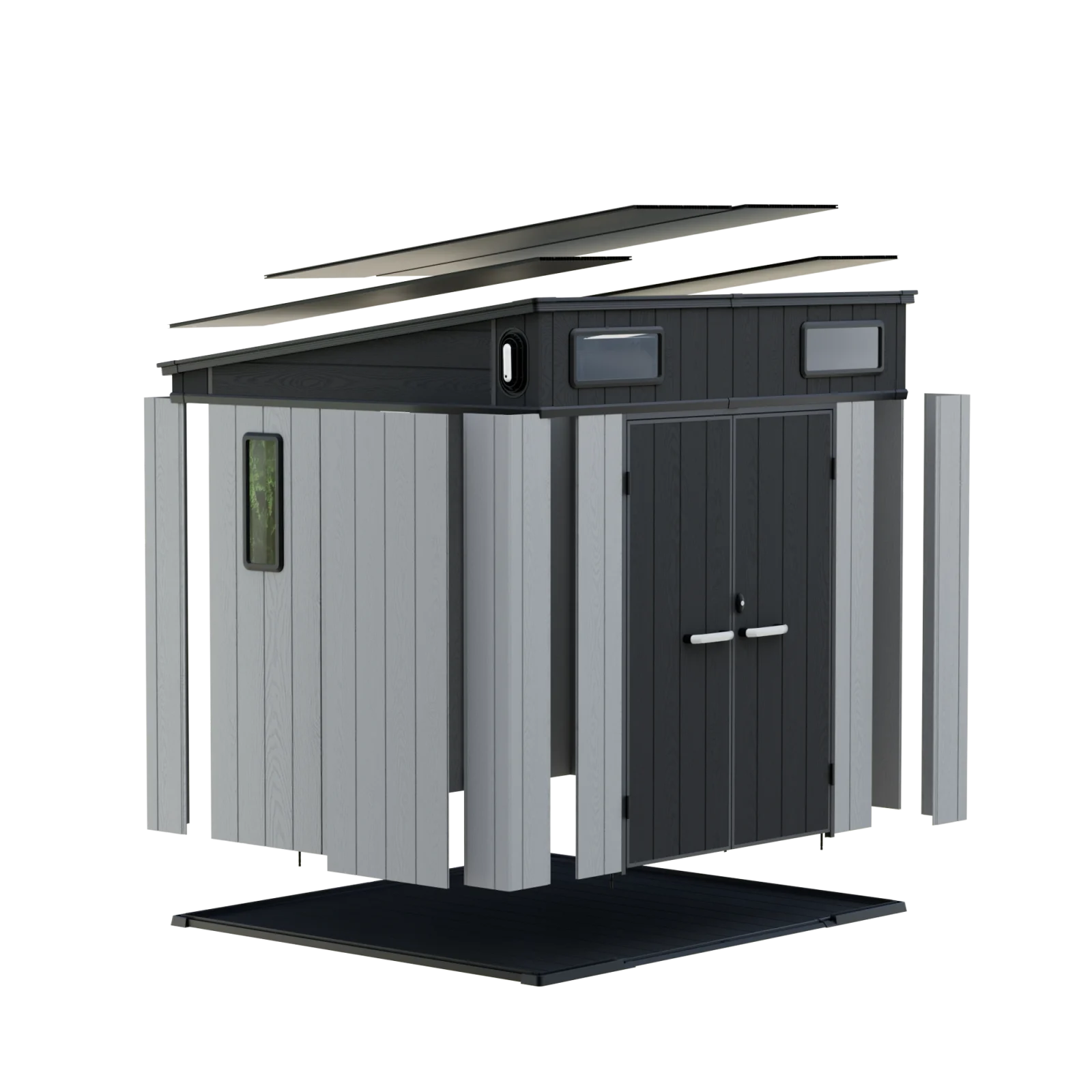
Flat pack sheds are usually stronger for OEM (learn what are the differences between OEM & ODM garden shed) and private-label orders. Buyers can customize carton artwork, instruction manuals, barcode labels, accessory kits, colors, sizes, and SKU packaging. Standardized packaging also makes repeat orders easier to manage across retail stores and online channels.
Pre-assembled sheds can still be branded, but they are harder to scale for large retail distribution because the product occupies more space and requires more complex handling.
Choose a flat pack shed if:
Choose a pre-assembled shed if:
Choose DBB as your wholesale shed partner for dependable factory-direct supply, efficient order handling, and proven expertise built over 15 years. We offer flexible customization for branded and private label shed lines, plus practical packaging options such as flat-pack and wooden crate solutions. Request a quote today and see how DBB can support your business.

Yes. Flat pack sheds are usually good for wholesale orders because compact packaging can reduce shipping volume, improve container loading efficiency, and support retail or e-commerce distribution.
Yes. Pre-assembled sheds reduce installation work for the final customer. The tradeoff is that they usually cost more to ship, store, and deliver.
For most importers, flat pack sheds are more practical because they are easier to ship in bulk, easier to store, and better suited to wholesale and private-label programs.
Yes. Many suppliers can customize cartons, manuals, labels, colors, accessories, and SKU packaging depending on MOQ and production capability.
The main risk is poor assembly experience. This can be reduced with clear instructions, numbered parts, spare hardware, assembly videos, and pre-shipment assembly testing.
For most international wholesale orders, flat pack sheds are the better choice because they support more efficient shipping, container loading, warehouse storage, retail distribution, e-commerce delivery, and private-label packaging. Pre-assembled sheds may suit local delivery or premium service models, but they are usually less efficient for cross-border bulk orders.
Looking for a flat pack shed supplier for wholesale or private-label orders? Contact us to discuss shed sizes, packaging options, MOQ, and container loading plans for your market.