
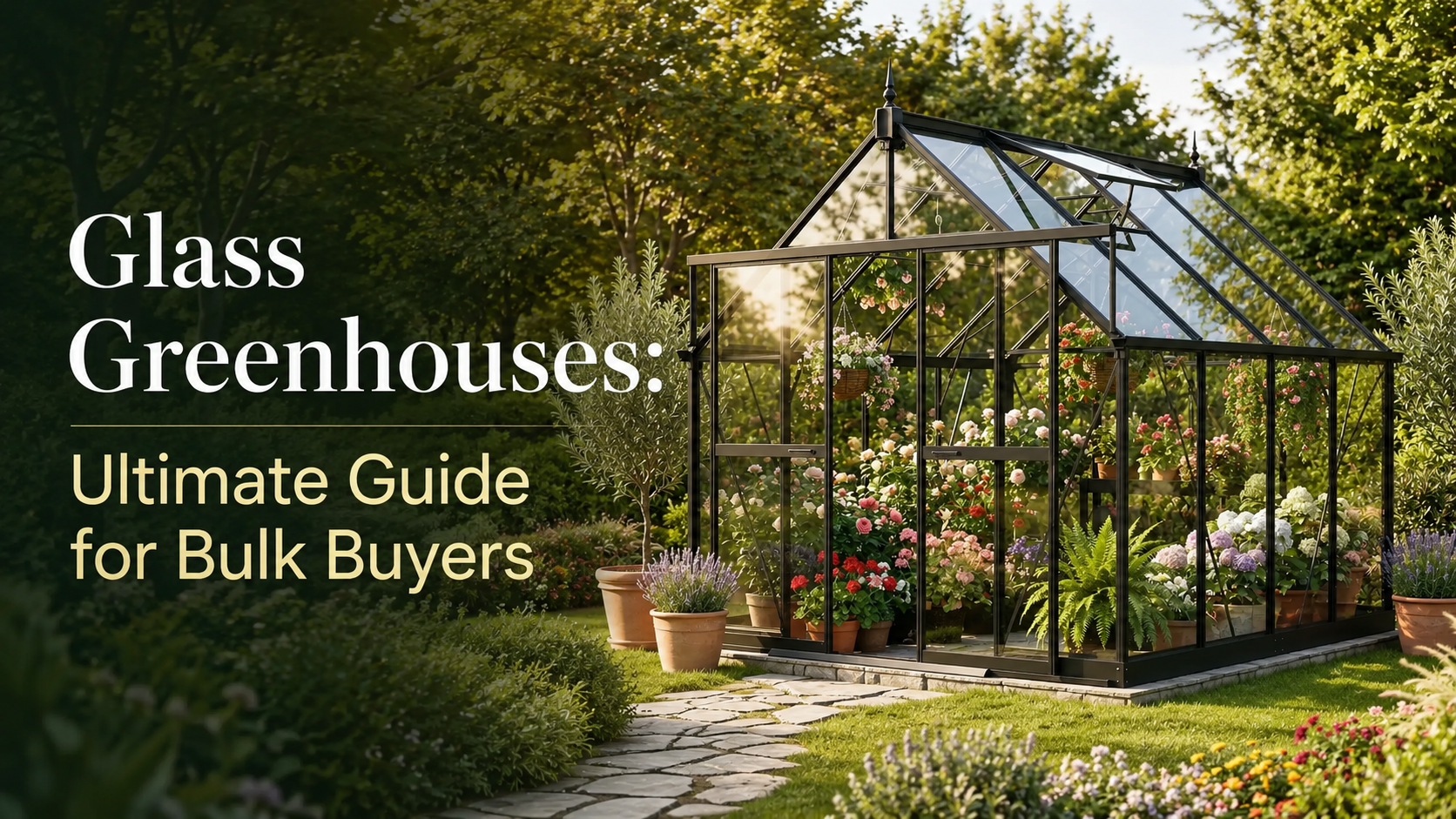
Glass Greenhouses: Ultimate Guide for Bulk Buyers
A glass greenhouse is still one of the most attractive products in the garden greenhouse category. It offers a premium…
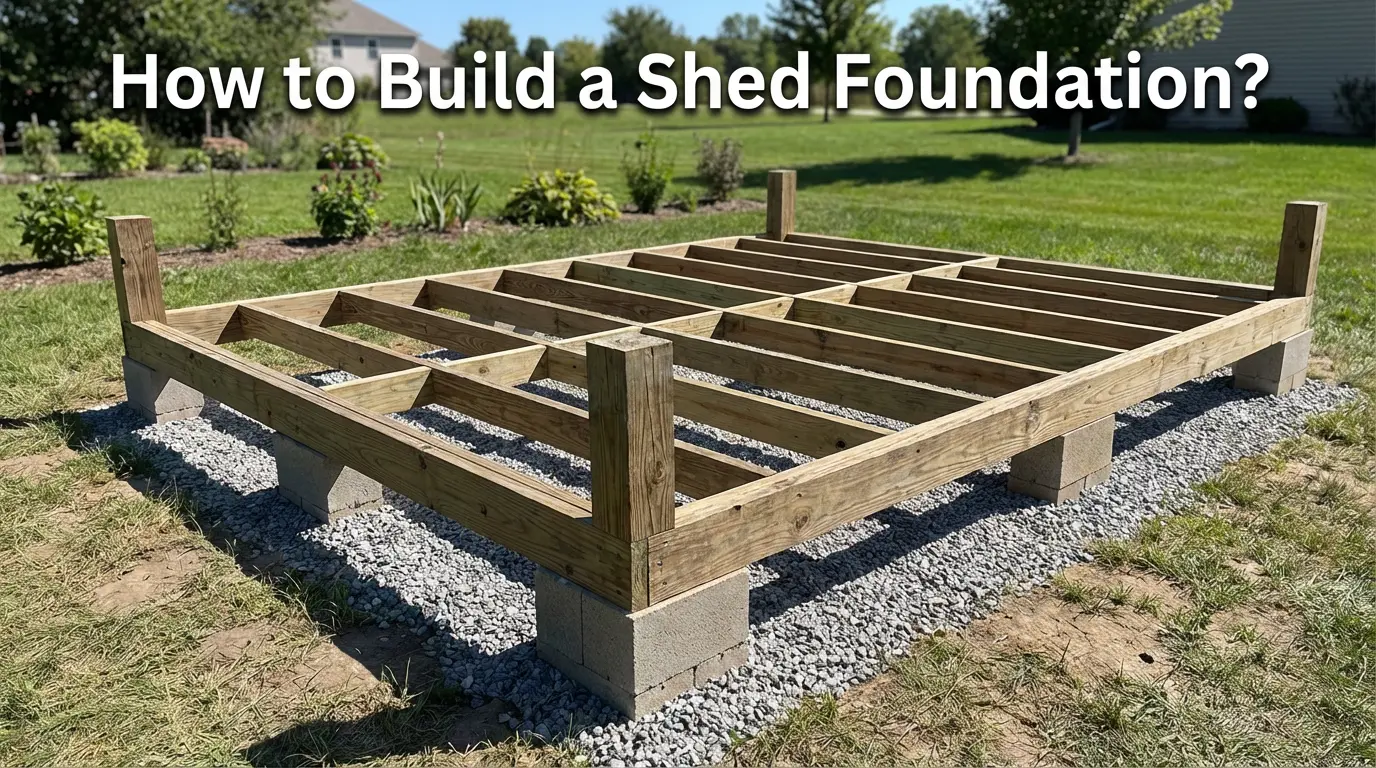
A strong shed foundation is essential for keeping your shed level, dry, and long-lasting. Whether you’re installing a metal shed, resin shed, or wooden shed, the right shed foundation helps prevent water damage, ground movement, and long-term structural issues.
If you’re wondering whether a shed foundation is really necessary, this guide has you covered. Below, we explain how to build a shed foundation, explore the most common foundation types, and help you choose the best option.
For smaller sheds, like those around 6×6 or less, a shed foundation might not seem very essential. However, in most cases, a shed foundation is strongly recommended. A proper foundation provides a stable, level base that protects your shed from moisture, ground movement, and long-term structural damage.
Without a proper foundation, a shed is placed directly on soil and can shift or sink over time. This may lead to rust in metal sheds, rot in wooden sheds, and cracking in resin sheds.
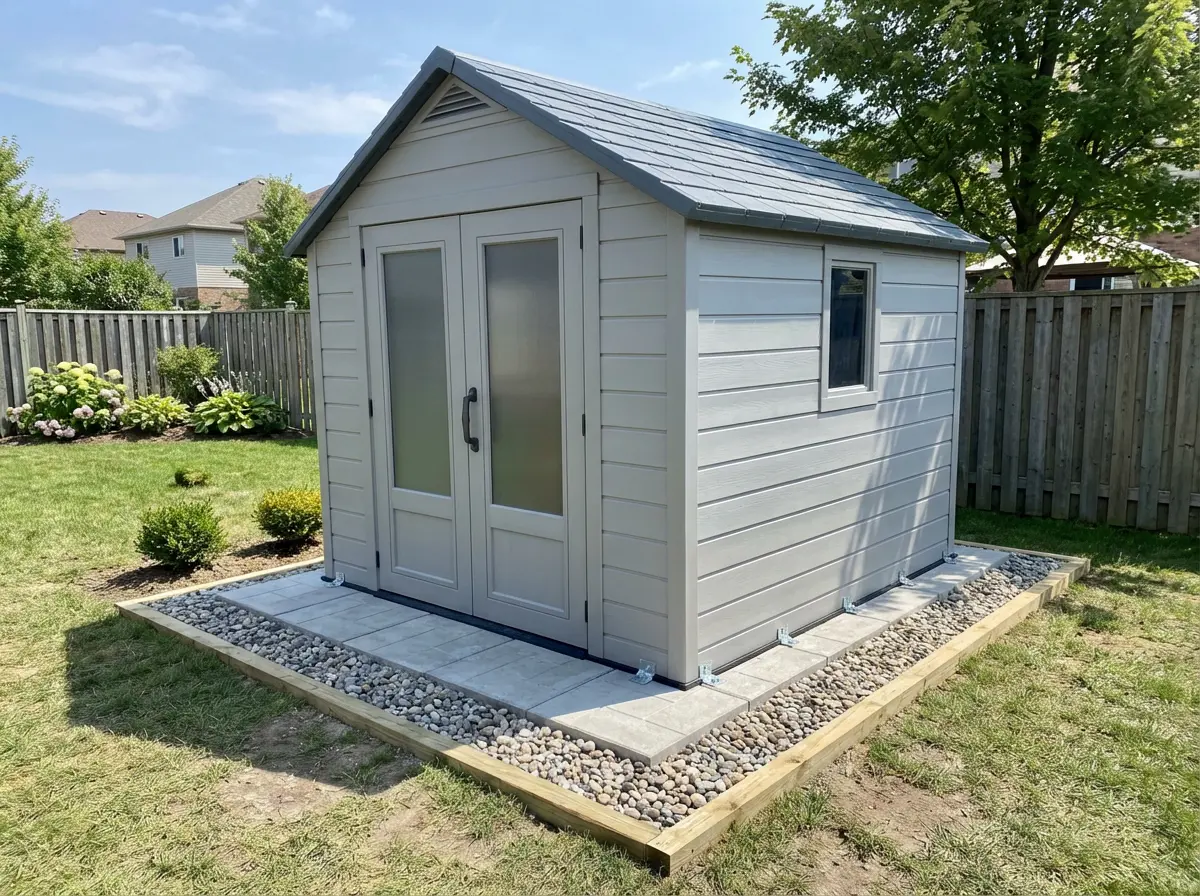
So, how do you build a shed foundation correctly? Follow this step-by-step guide to build a reliable shed base that suits your shed and site conditions.
First of all, you need to choose the right location. Start by selecting an area that is flat, well-drained, and easily accessible. Proper site selection helps prevent water pooling, foundation shifting, and long-term structural issues.
Leveling the ground and checking drainage ensure rainwater flow away from the shed. Identify any underground utility lines or drainage pipes so your shed foundation does not interfere with existing property systems. Avoid low-lying areas where water tends to collect after rainfall. Leave sufficient clearance around the shed for air circulation, routine maintenance, and smooth door operation.
If you live in a cold climate, understanding your local frost line is especially important. Building the foundation below or properly accounting for the frost line helps protect the shed from freeze-thaw ground movement.
Finally, always check local building codes or HOA regulations before installation to ensure your shed foundation complies with all requirements and avoids potential issues later.
Selecting the right shed foundation depends on the shed size, weight, material, and intended use. How to choose the right shed base? Below are the most common shed base options:
Gravel shed foundation is one of the most popular and cost-effective choice, especially for metal and resin sheds. Gravel shed bases allow for water to drain quickly, helping prevent moisture-related issues such as rust or mold.
Gravel shed foundations are also easy to install, making them ideal for homeowners or first-time shed users. With low material costs, minimal maintenance, and reliable stability, a gravel base is a practical solution for small to medium size sheds used for everyday outdoor storage.
A concrete slab shed foundation is preferred by many users for its exceptional durability, stability, and pest resistance. This type of foundation creates a solid, permanent base that helps protect the shed from ground moisture, insects, and long-term wear.
However, installing a concrete slab foundation requires more time, labor, and experience compared to other shed base options. If offers high load-bearing capacity, making it ideal for sheds used to store heavy equipment.
Because of the materials and labor involved, a concrete slab shed foundation is one of the most expensive options. For this reason, it may not be the best choice for users who are looking for a budget-friendly or temporary shed foundation.
A paver shed foundation is an excellent option for medium-sized sheds, combining strong support with a clean, professional appearance. Paver bases are known for their stability, durability, and relatively easy installation, making them a popular choice for homeowners who want both function and visual appeal.
When installed correctly with a proper base layer, a paver shed foundation provides good drainage to improve the overall longevity of the shed.
A plastic grid shed base is made from eco-friendly and recycled and it is often more lightweight than shed base made of concrete or wood. This type of shed base is designed for quick and easy installation, making it an excellent choice for users who are new to shed installation or want a fast setup.
As a modern and lightweight alternative to traditional shed foundations, plastic grid systems provide good drainage and reliable support when installed correctly. However, they are generally more expensive than gravel and paver bases, which may be a consideration for those working within a limited budget.
Before building your shed foundation, it’s essential to accurately measure and mark the installation area. Gather the necessary tools, including a tape measure, level, stakes, string, and shovel. Outline the exact size of your shed on the ground and check for squareness and verify to ensure the space is enough for doors ventilation, and maintenance.
Once the area is marked, you can begin excavating to prepare the base. Remove grass, roots, and debris within the marked area and excavate to the required based. The depth for gravel base is usually 4 to 6 inches, 6 to 8 inches for concrete slab, and 3 to 5 inches for pavers or plastic grids.
After excavation, check the ground level with a spirit level. Ensuring a flat, level surface is crucial to prevent shifting, uneven walls, or door misalignment.
Avoid the following common mistakes will help ensure your shed foundation remains stable, level, and long-lasting.
Installing the right shed foundation is essential for ensuring long-term stability, durability, and overall performance. However, a well-built foundation alone is not enough. The quality of the shed itself plays an equally important tole in how well it performs over time.
Choosing the right shed size and material helps ensure proper support and resistance to weather conditions. To achieve consistent quality and reliability, it’s important to purchase your garden shed from trusted and experienced shed suppliers, whether you’re an individual homeowners or a B2B decision makers.
By combining a solid foundation with a high-quality shed, you can maximize performance, reduce maintenance, and extend the lifespan of your outdoor storage solution.