
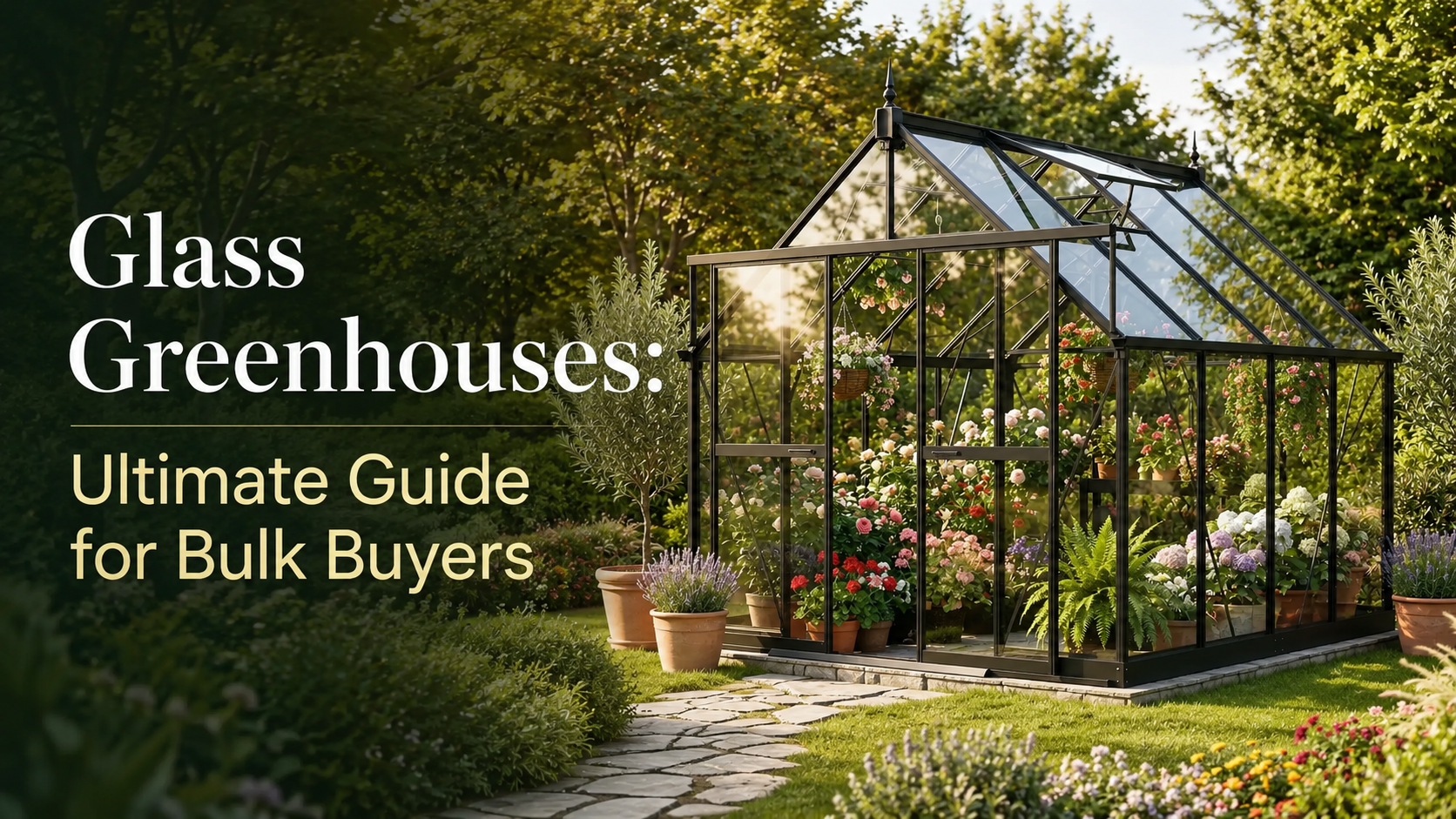
Glass Greenhouses: Ultimate Guide for Bulk Buyers
A glass greenhouse is still one of the most attractive products in the garden greenhouse category. It offers a premium…
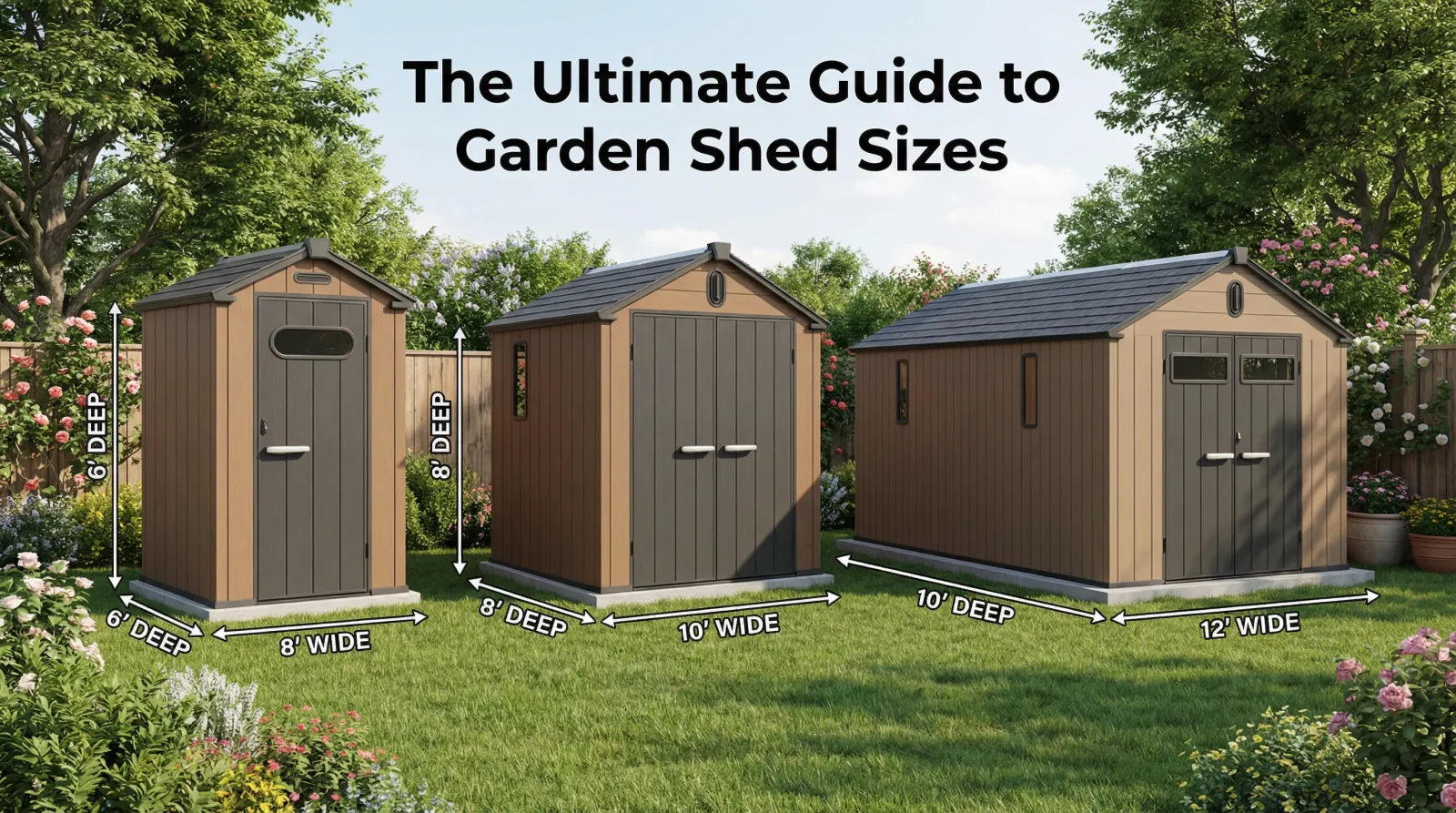
A garden shed is a long-term investment that supports outdoor storage, organization, and even hobby or workspace needs. Available in a wide range of sizes – from compact storage units to large multi-purpose structures, garden shed sizes play a crucial role in overall functionality, cost efficiency, and long-term usability.
For homeowners, choosing the right shed size ensures optimal use of backyard space, easy installation, and clutter-free storage. For B2B buyers, shed size directly impacts logistics efficiency, inventory planning, and end-user satisfaction.
This guide explores the most common garden shed sizes and provides practical insights to help you choose the best size garden shed for residential, retail, or commercial applications.
Garden sheds are commonly categorized into small, medium, and large sizes based on their overall footprint and storage capacity. Each size category is designed to meet different storage needs, space limitations, and usage scenarios.
In the sections below, you’ll find a detailed overview of small garden sheds, medium garden sheds, and large garden sheds.
Garden sheds under 90 square feet are generally classified as small garden sheds. Designed for compact storage and fast installation, small sheds are ideal for users who need practical outdoor storage without occupying too much space. Typical small garden shed sizes include 6 x 4 ft, 6 x 5 ft, 8 x 4 ft, 8 x 6 ft. If you’re not ready to commit to a larger structure, small garden sheds offer a convenient and cost-effective solution. They are well suited for storing hand tools, small garden equipment, and seasonal items such as hoses, planters, and outdoor accessories.
Small size garden sheds are popular entry-level products thanks to their affordable pricing, and strong demand for permit-free installations in many regions.
Medium garden sheds typically range from 90 to 120 square feet, offering a versatile balance between storage capacity and footprint. Compared to small garden sheds, medium-sized models provide greater flexibility and support a wider range of storage and functional uses.
These sheds are well suited for storing lawn mowers, bicycles, outdoor furniture, and larger garden equipment. Thanks to their efficient use of yard space, medium garden sheds are among the most popular shed sizes worldwide.
Medium garden sheds with a size of 8 x 12 ft, 10 x 10 ft, or larger options are also popular to use as a hobby room or DIY workshop.
For individual buyers, medium garden sheds are ideal for families seeking long-term residential storage and better backyard organization. For B2B buyers, they represent a high-demand category with broad market appeal.
Garden sheds over 120 square feet are generally classified as large garden sheds. Due to their size, these sheds often require a shed permit in many regions, making it important to review local regulations before purchase.
Common large garden shed sizes include 12 x 12 ft, 10 x 16 ft, and 16 x 20 ft. With their expansive interior space, large sheds can accommodate vehicles, tractors, workbenches, bulky furniture, and large equipment.
The generous layout also makes large garden sheds ideal for use as a workshop, hobby room, home office, or “she shed.” For homeowners, they provide a highly flexible solution for advanced storage and multi-purpose outdoor use. For B2B buyers, large sheds are suited for commercial applications, project-based sales, and high-value product lines.
Overall, large garden sheds are best suited for customers with spacious yards and extensive storage or workspace requirements.
Choosing the right garden shed size goes beyond simply measuring available space. The ideal shed should match your current storage needs, future plans, local regulations, and overall budget. To help you make the best decision, ask yourself the following 7 key questions before selecting a garden shed.
First of all, consider the purpose of your garden shed. Ask yourself how you plan to use the shed – whether it’s strictly for storage or as a functional workspace.
If the shed is intended only for storage, a small or medium garden shed is usually sufficient for organizing tools, equipment, and seasonal items. However, if you plan to use the shed as a workshop, hobby room, or multi-purpose space, a large garden shed is the better choice, offering enough room for activities.
For B2B buyers, understanding end-user use cases helps determine the most marketable shed sizes and product mix.
Make a detailed list of items that you plan to store in the garden shed from small hand tools to larger equipment. Measure the dimensions of bulky items to ensure the shed provides enough floor space and clearance.
Next, consider your storage layout. Will you need shelves, bins, cabinets, hooks, or storage boxes to keep items organized. Smart use of vertical and wall storage can increase usable space.
Another important thing is to consider your available yard space. Measure your yard and determine the exact location where the shed will be installed. Be sure to account for access paths, door swing clearance, and required spacing from fences or property lines. Proper measurement helps ensure the shed fits comfortably without overcrowding the yard.
Available yard space is a key factor in determining the right garden shed size. Start by measuring your yard carefully and identifying the exact location where the shed will be installed. Be sure to account for access paths, door swing clearance, and required spacing from fences or property lines.
Take a long-term view when choosing your garden shed size. Think about whether your storage needs may grow over time – for example, adding new tools, equipment, or seasonal items. Selecting a slightly larger shed now can help avoid the cost and inconvenience of upgrading or replacing your shed in the future.
Before purchasing a garden shed, it’s important to review local building regulations. In many regions, garden sheds larger than 120 square feet require a shed permit. Checking local regulations in advance helps prevent shed installation delays and unexpected costs.
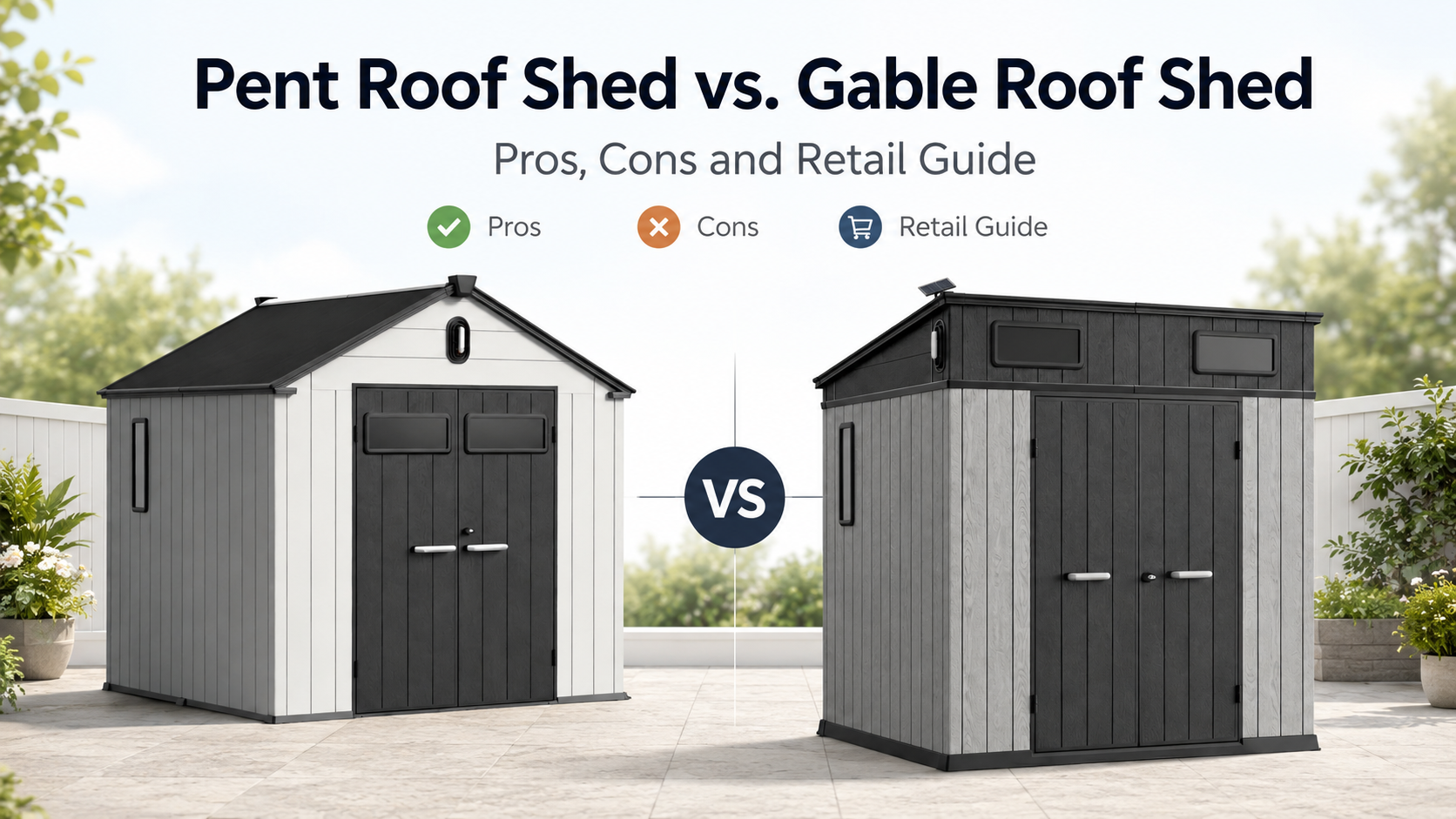
Shed size is not the only factor to consider. Garden sheds are available in different styles, such as pent (lean-to) and gable designs, each affecting interior headroom, door placement, and usable space.
Choosing the right shed style ensures the selected size meets both functional needs and aesthetic preferences.
Your budget should include more than just the shed itself. Consider additional costs such as foundation preparation, installation, accessories, and long-term maintenance. Balancing size and value ensure a smart investment.
Though garden shed come in different sizes, there are common sizes that are popular worldwide.
Resin sheds are popular for their low maintenance, lightweight, and durability; metal sheds are known for their strong structure, and wood sheds provide a classic appearance. The best shed materials are based on different needs.
Permit requirements vary by location, but in many regions, garden sheds over 120 square require a permit.
Gravel base or concrete blocks are suitable for small sheds, treated wood base or concrete slab are ideal for medium sheds, and reinforced concrete foundation is best for large garden sheds.
The 6×8 ft and 8×12 ft shed sizes are among the most popular worldwide.
DiBiBi is a professional garden shed manufacturer specializing in resin and metal garden sheds. Serving both B2C and global B2B markets, DiBiBi offers OEM/ODM services, certified quality standards, and reliable production capacity to support long-term partnerships.