
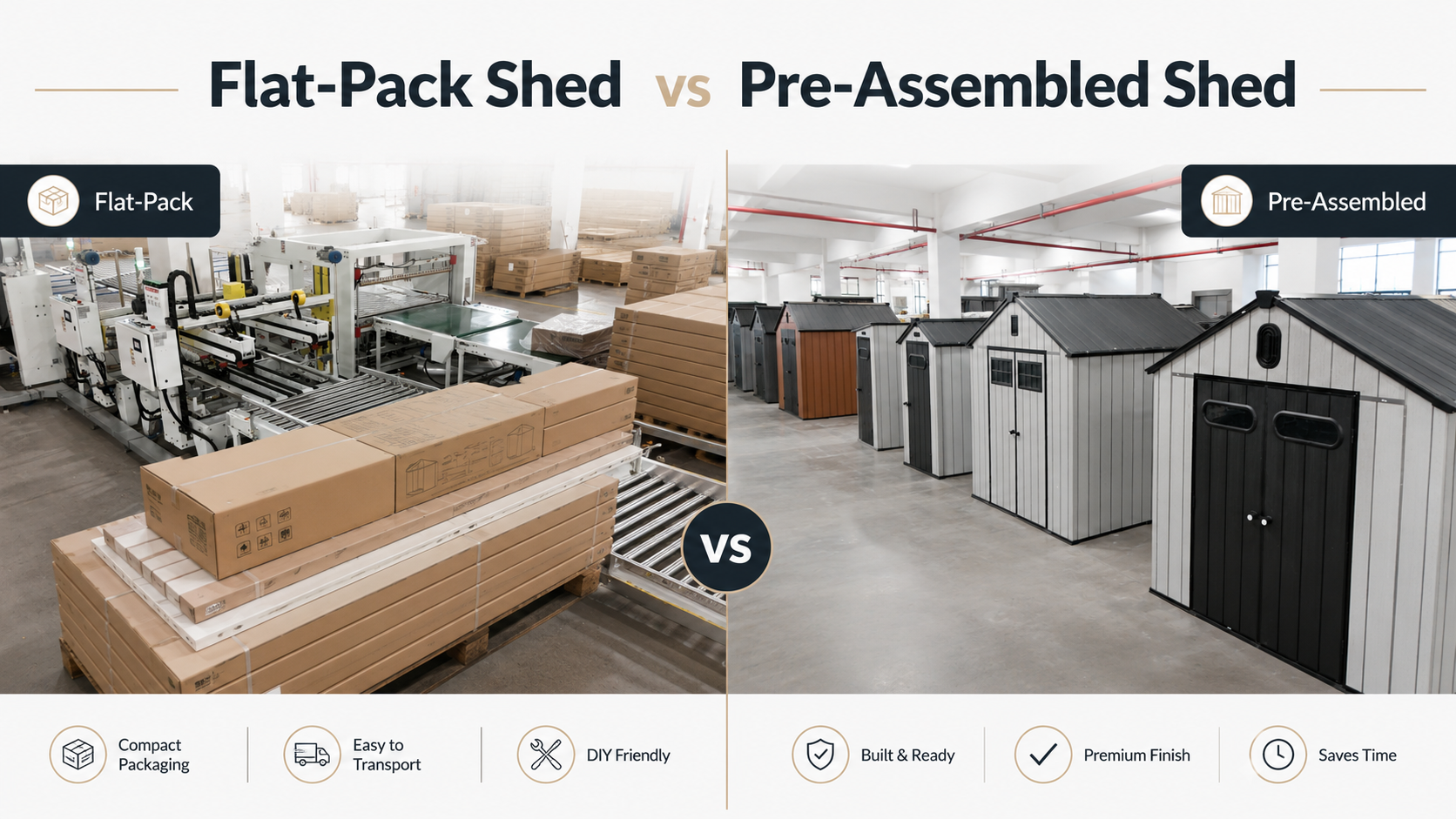
Flat Pack Shed vs Pre-Assembled Shed: Which Is Better for Wholesale Orders?
Choosing between a flat-pack shed and a pre-assembled shed affects freight cost, container loading, warehouse space, retail handling, customer assembly experience, and…
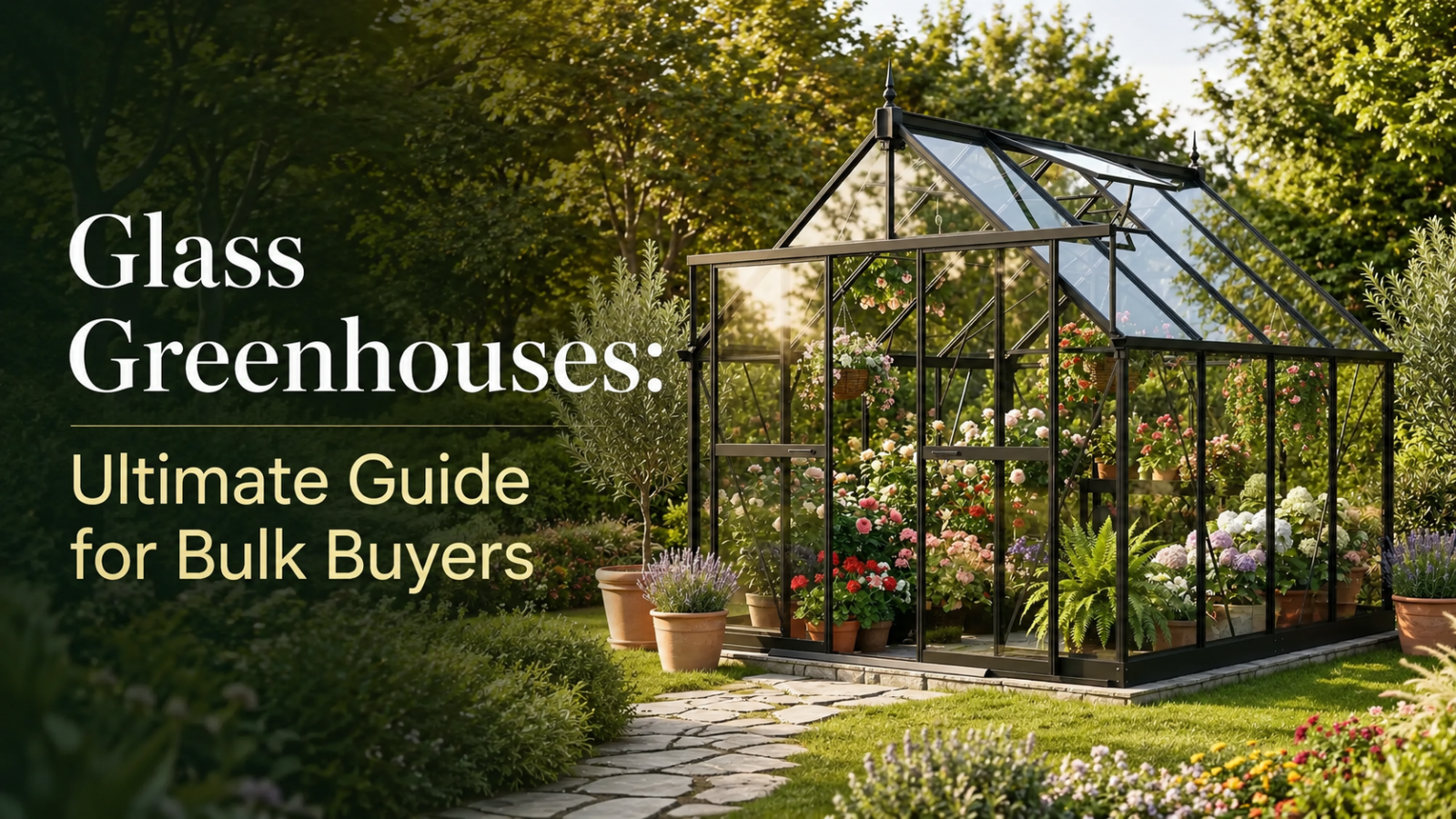
A glass greenhouse is still one of the most attractive products in the garden greenhouse category. It offers a premium look that can help a retail range stand out from standard plastic or polycarbonate options.
However, to buy glass greenhouses in bulk, buyers need to review the frame structure, glass type, packaging method, container loading plan, spare parts policy, lead time, and the supplier’s experience with export orders. This guide explains the key points buyers and importers should check before placing a bulk order for glass greenhouses.
Glass greenhouses remain attractive because they combine clear light transmission, a premium appearance, and strong consumer appeal in the garden greenhouse category. They are often suitable for mid-to-high-end retail channels such as garden centers, home improvement stores, DIY chains, and private-label garden product ranges. Compared with lower-cost greenhouse options, glass models can support a higher perceived value and a stronger retail presentation, serving as a premium or semi-premium product for customers who care about appearance and durability.
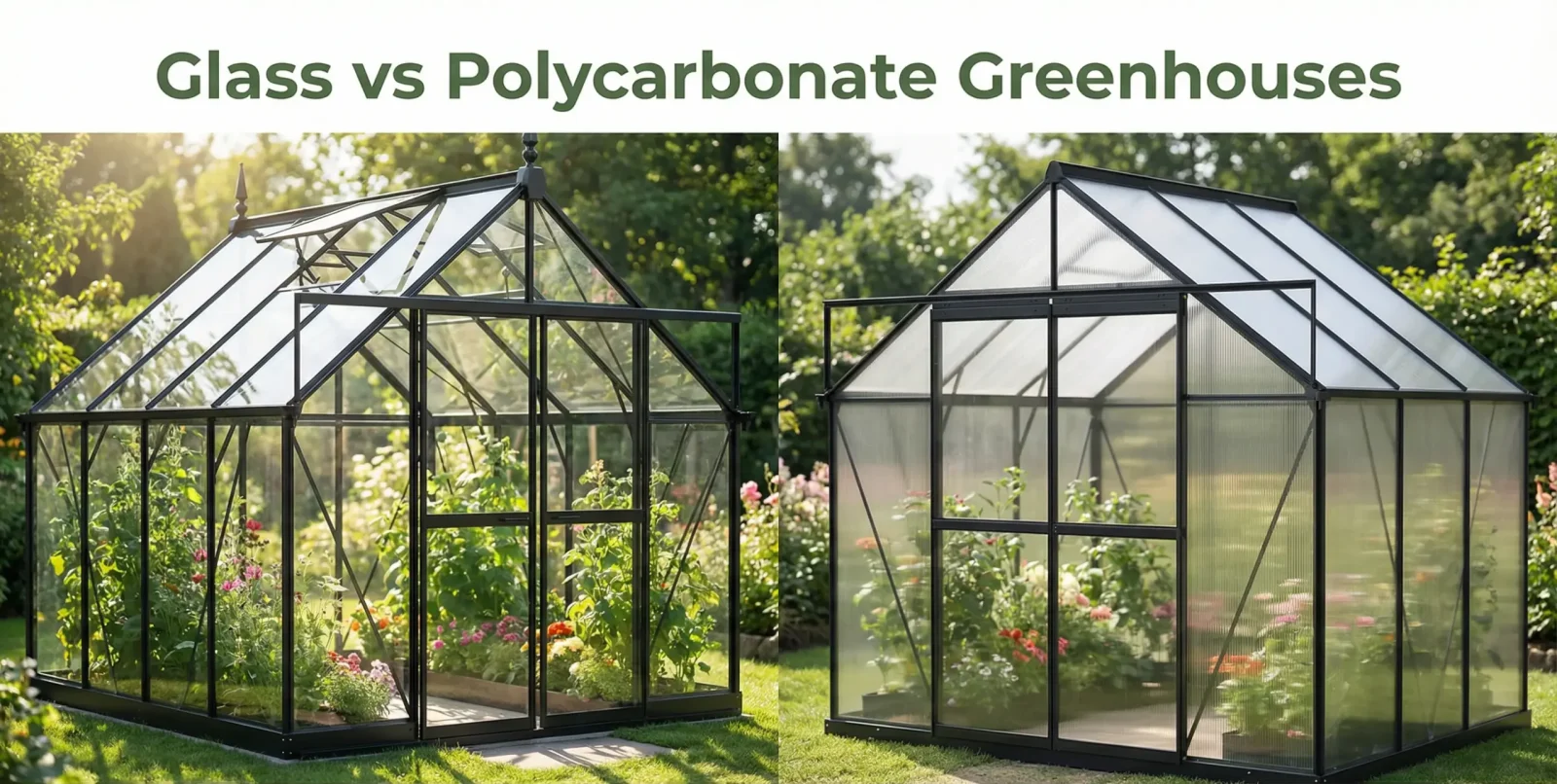
Glass greenhouses usually offer a clearer and more premium appearance. They allow excellent light transmission and are often preferred by customers who want a classic garden greenhouse. Polycarbonate greenhouses are lighter, more impact-resistant, and often easier to ship and handle. They are commonly used for mass-market garden products and online retail channels.
| Factor | Glass Greenhouse | Polycarbonate Greenhouse |
|---|---|---|
| Appearance | Premium, classic, transparent | Practical, softer appearance |
| Light | Clearer light transmission | Diffused light, less glare |
| Insulation | Depends on glass type; usually lower than multi-wall polycarbonate | Better insulation in multi-wall panels |
| Safety | Tempered glass improves safety, but breakage risk remains | Higher impact resistance |
| Shipping | Higher breakage risk | Easier to handle and ship |
| Replacement | Glass may be locally replaceable in some markets | Replacement depends on panel type and supplier |
| Retail Position | Premium / semi-premium | Mass market / online retail |
The right choice depends on the buyer’s target market. If the goal is a premium garden range for retailers, a glass greenhouse can be a strong choice. If the goal is lower-cost distribution with reduced breakage risk, polycarbonate may be easier to manage.
Before placing a bulk order, importers should move beyond product photos and review the following technical details.
Most garden glass greenhouses use aluminum frames because aluminum is lightweight, corrosion-resistant, and suitable for outdoor use. Importers should check the aluminum profile, surface treatment, frame thickness, and connection design. The frame should be strong enough for repeated handling during shipping, warehousing, retail display, and final installation. Weak profiles may reduce the purchase cost, but they can lead to bending, poor assembly, and customer complaints.
Buyers should confirm whether the model uses tempered glass, horticultural glass, or another glass specification. They should also check glass thickness, edge treatment, and replacement availability. Tempered glass is often preferred in markets where safety and durability are important. Horticultural glass may be accepted in some price-sensitive markets, but importers should confirm local expectations and retailer requirements before ordering.
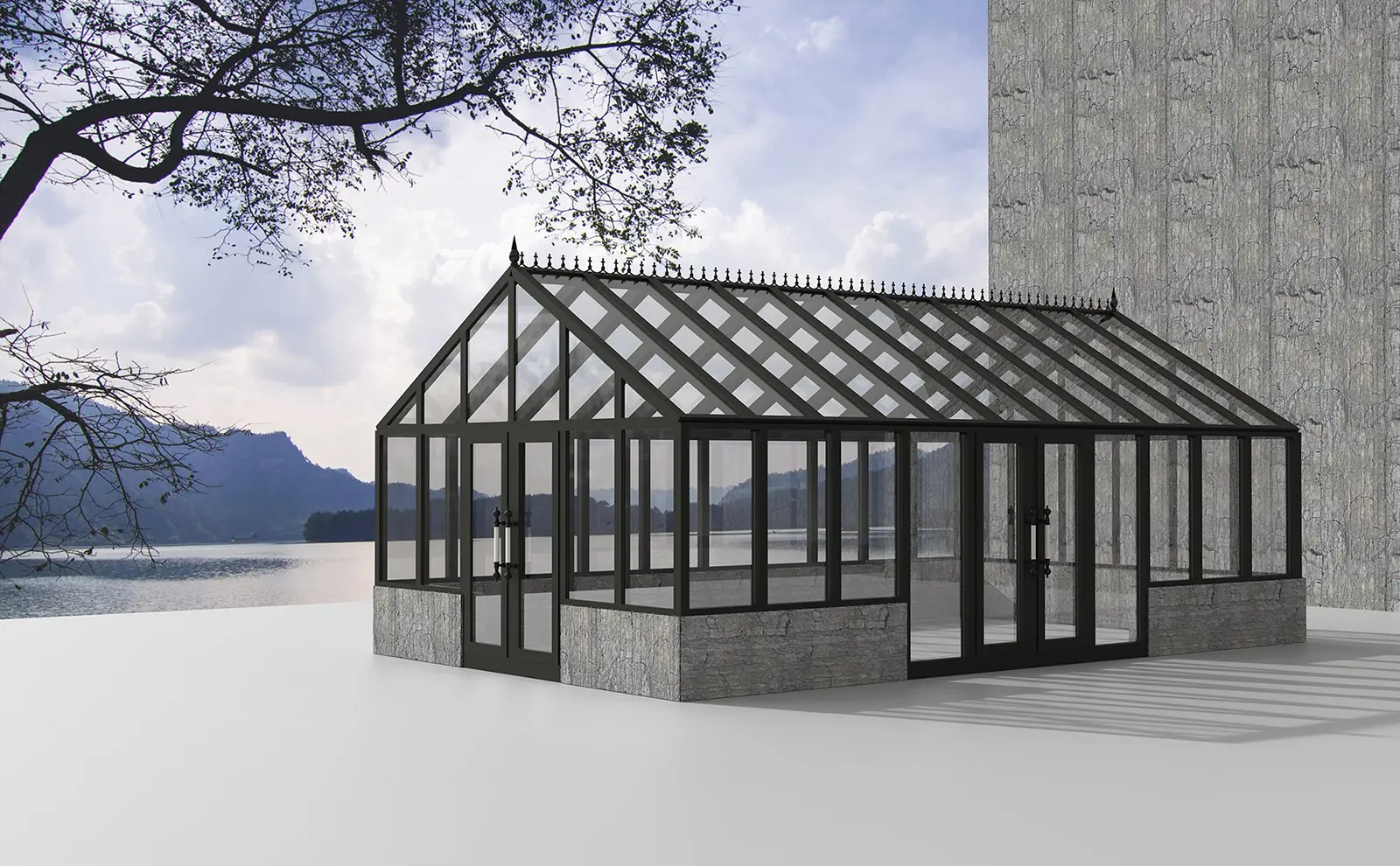
A strong retail range does not always need too many sizes. Importers should choose sizes based on sales channels, warehouse space, and target customers. Small models may suit entry-level consumers, while walk-in glass greenhouses are more suitable for serious gardeners and higher-value retail programs. A focused range is often easier to manage than a wide range with slow-moving models. Importers should ask suppliers which sizes are most stable for production, packaging, and container loading.
Doors, vents, and accessories affect both the user experience and the retail value of the product. Common options include sliding doors, roof vents, gutters, base frames, shelves, automatic vent openers, and spare parts kits. Importers should confirm what is included in the standard package and what must be ordered separately. This prevents confusion between the supplier quotation, the retail listing, and the customer’s expectations.
For markets such as Europe, North America, the UK, and Australia, climate conditions should be reviewed before ordering. A greenhouse sold in a mild climate may not be suitable for areas with strong wind or heavy snow. Importers should ask the supplier for structural information and installation recommendations. If a retailer requires specific performance data, this should be confirmed before the order is placed.
MOQ and lead time should be discussed early, especially for seasonal garden products. Greenhouse sales often peak before and during the gardening season, so delays can reduce the value of the entire order. Private-label packaging usually requires a higher MOQ than neutral packaging because cartons, manuals, labels, and barcodes must be prepared in advance. Ask the chosen supplier:
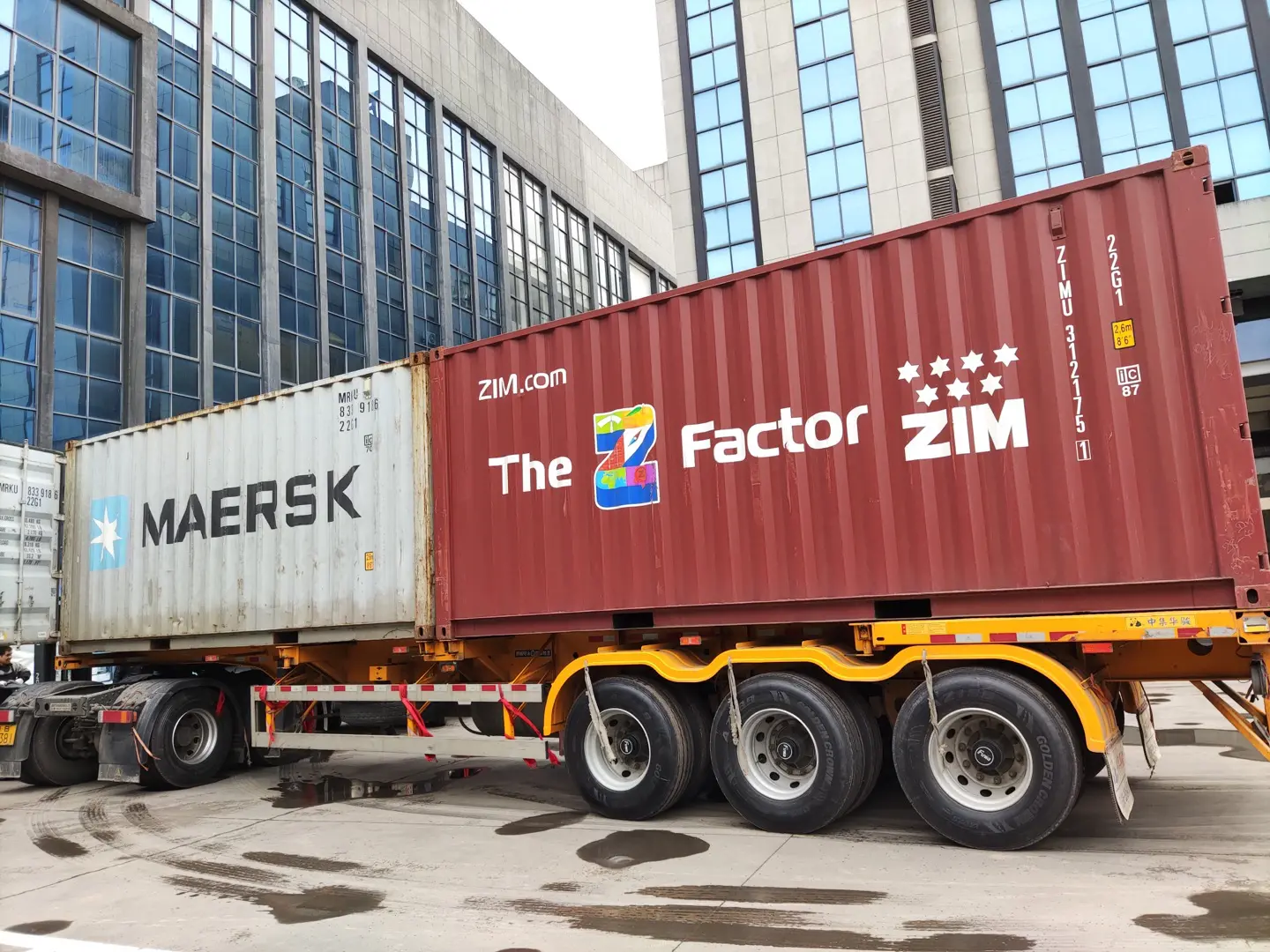
Container loading quantity is especially important because a glass greenhouse is usually packed in multiple cartons with protective materials. Importers should review carton dimensions, gross weight, and loading plans before confirming the final product mix.
Different markets and retailers may have different requirements for garden greenhouse products. European buyers may need to review packaging, labeling, material declarations, safety expectations, and multilingual instruction manuals. US buyers may care about clear assembly instructions, retail packaging, product liability risk, and replacement parts. UK and Australian buyers may place more emphasis on weather resistance, spare parts, and outdoor durability.
Large retailers may also require barcode labels, SKU labels, carton markings, inspection reports, packaging tests, and clear installation documents. These requirements should be shared with the supplier before quotation, because they can affect cost, production time, and MOQ.
Many B2B buyers want a glass greenhouse range that can fit their own brand, catalog, retail channel, or online store. They should confirm if logo customization, carton design, instruction manual customization, size selection, accessory kits and retail display packaging are available and what MOQ applies to each one. For example, a custom color or custom carton may require a higher order quantity than a standard model. A reliable supplier should explain these conditions clearly before the buyer places the order.
Packaging is one of the most important parts of buying glass greenhouses in bulk. Importers should check whether each glass panel is individually protected, whether the corners and edges are reinforced, and whether cartons or pallets are strong enough for long-distance shipping. Suppliers should provide loading photos, confirm whether spare parts are included, and explain whether the packaging has been tested for long-distance export shipping. Breakage can create customer complaints, retailer chargebacks, poor reviews, and extra warehouse handling. A slightly higher packaging cost may be more economical than a lower price with a high damage rate.
A reliable glass greenhouse manufacturer should understand not only production, but also export packaging, retailer requirements, and after-sales support. Buyers should ask for details about previous export orders, packaging methods, production capacity, quality control, spare parts, and installation documents. If a supplier cannot clearly answer questions about packaging, loading, spare parts, or installation, the import risk may be higher than the quoted price suggests.
One common mistake is comparing only the unit price. The cheapest quotation may not include strong packaging, suitable accessories, spare parts, or clear instructions. These missing details can increase the real cost after the product arrives.
Another mistake is ordering too many sizes at the beginning. A wide range may look attractive in a catalog, but it can create inventory pressure and slow-moving stock. For a first order, importers often benefit from choosing a focused size range and testing market demand.
Importers may also overlook local climate conditions. A product suitable for one market may not be suitable for another if wind, snow, or installation expectations are different.
| End-Customer Concern | What Bulk Buyers Should Check |
|---|---|
| Garden size | Offer focused sizes for small, medium, and walk-in gardens |
| Safety | Confirm tempered glass or local safety expectations |
| Installation | Provide clear manuals and labeled parts |
| Weather | Match wind/snow guidance to target market |
| Maintenance | Explain cleaning, replacement glass, and spare parts |
| Appearance | Prepare lifestyle images for retail listings |
Before a bulk glass greenhouse order, the full purchasing picture should be reviewed. Here is a final checklist for bulk buyers before ordering glass greenhouses.
DBB is a trusted greenhouse supplier with 15 years of experience in outdoor structure manufacturing. We support OEM/ODM projects for greenhouse brands, retailers, importers, and distributors. With reliable product lines, strict quality control, export packaging experience, and flexible customization options, DBB helps buyers reduce sourcing risks before placing bulk orders. If you are looking for a long-term outdoor structure partner, contact us to discuss your project. Request a quote today!
Yes. Glass greenhouses are suitable for mid-to-high-end garden centers, DIY stores, home improvement retailers, and private-label garden product ranges. They are especially useful when the buyer wants a premium garden greenhouse product.
Glass has a higher shipping risk than polycarbonate, but proper packaging, pallet design, edge protection, and container loading can reduce breakage risk. Importers should review the packaging plan before confirming a bulk order.
Glass greenhouses look more premium and provide clearer light transmission. Polycarbonate greenhouses are lighter, more impact-resistant, and often easier for mass-market distribution.
In many cases, buyers can customize logos, cartons, manuals, frame colors, size options, accessory kits, barcodes, and SKU labels. The available options depend on the supplier and the order quantity.
Importers should confirm MOQ, lead time, container loading quantity, glass type, frame specification, packaging method, spare parts policy, installation documents, and after-sales support.
Buying glass greenhouses in bulk can be a strong opportunity for importers and garden product distributors, especially when the target market values premium appearance and durable outdoor products. But the purchase decision should be based on more than price.
A good bulk order should balance product design, structure, glass type, packaging, loading quantity, lead time, spare parts, and retailer requirements. Importers who review these details before placing an order are more likely to reduce damage risk, improve customer satisfaction, and build a stronger garden greenhouse range.
Looking for a glass greenhouse supplier for wholesale or private-label orders? Request a quote to discuss size options, packaging, MOQ, and container loading plans for your target market.