
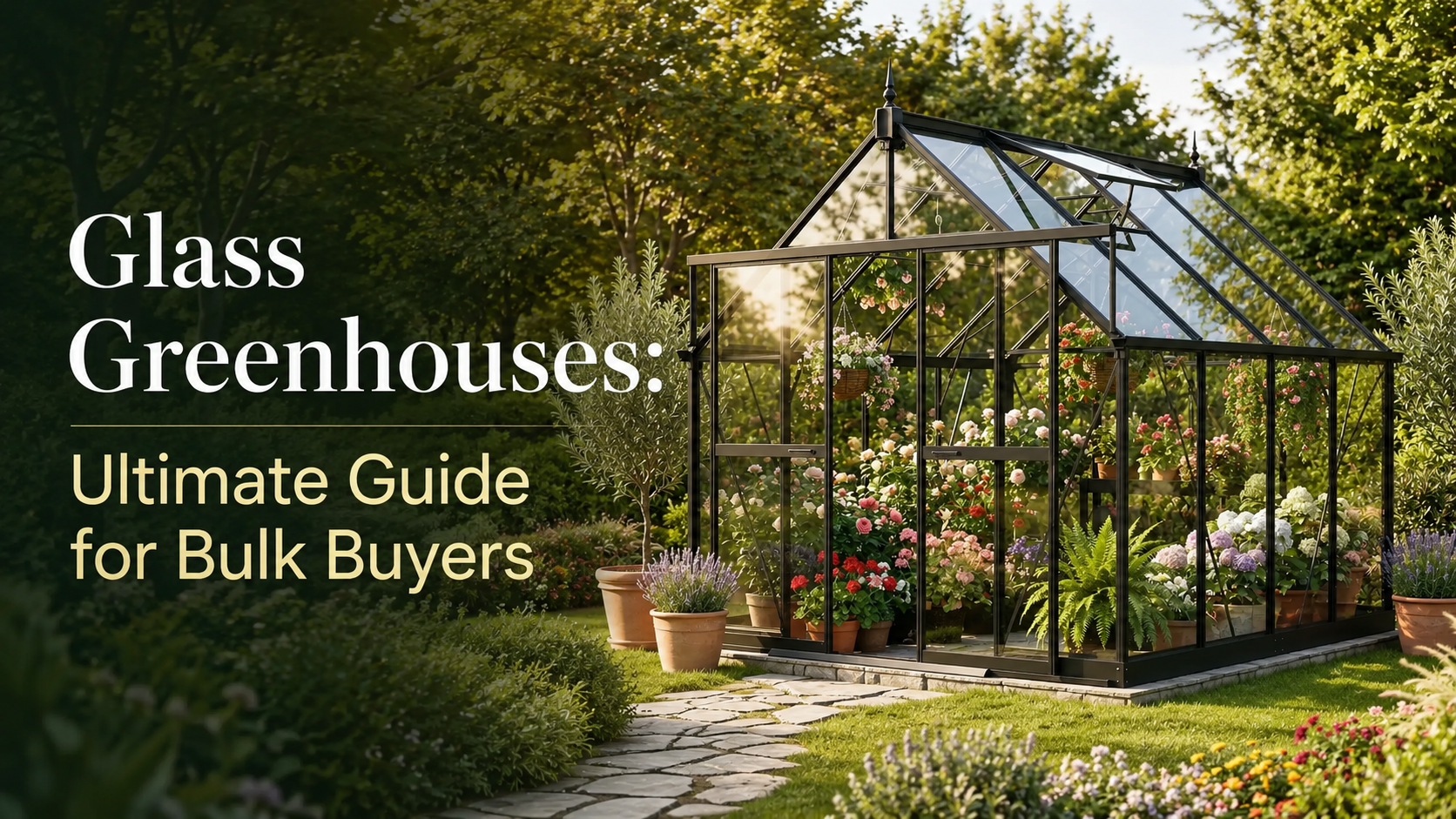
Glass Greenhouses: Ultimate Guide for Bulk Buyers
A glass greenhouse is still one of the most attractive products in the garden greenhouse category. It offers a premium…
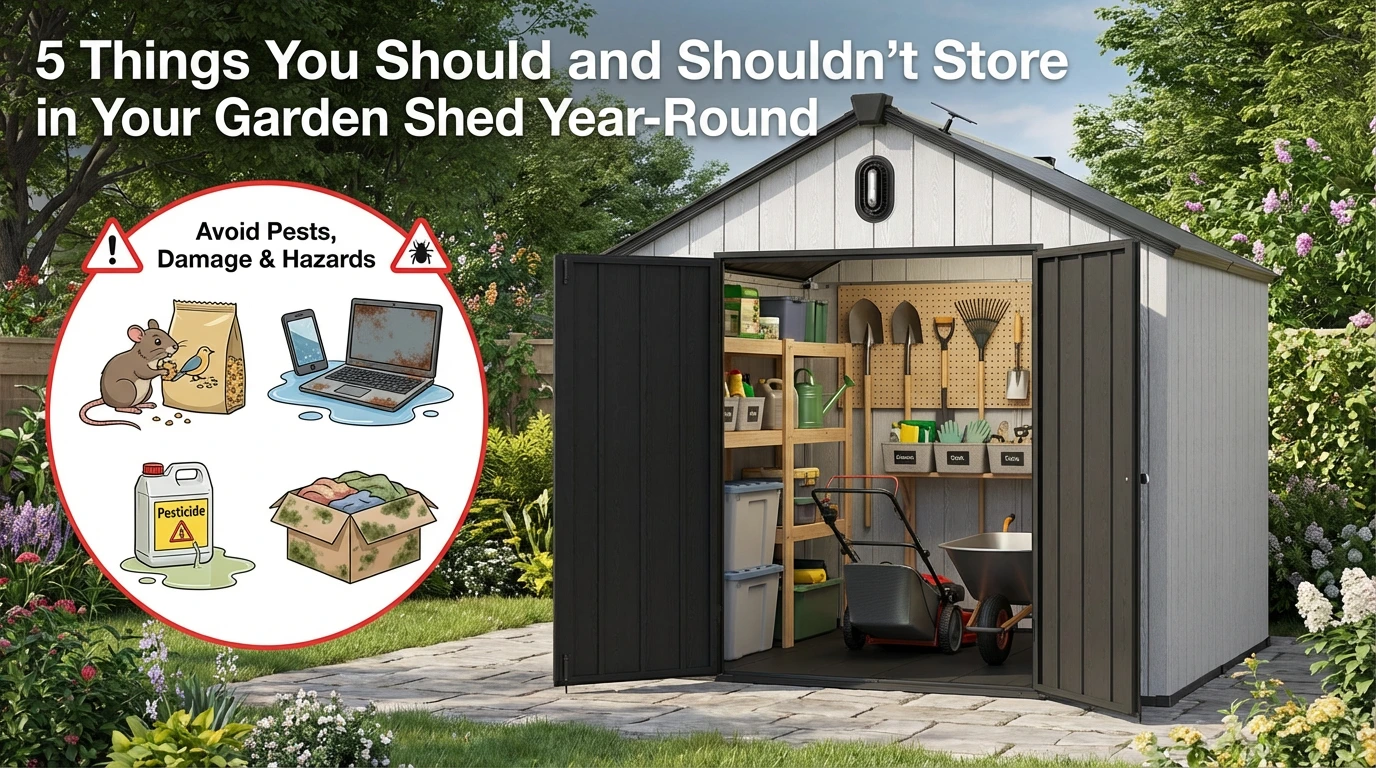
A garden shed is one of the most practical outdoor storage solutions for homeowners. Garden sheds can be used to store tools, gardening supplies, or seasonal equipment. However, not everything is suitable for year-round storage in a garden shed. Knowing what you should and shouldn’t store in your garden shed helps protect your belongings and extend their lifespan.
In this guide, we’ll explore five things you should store in your garden shed and five things you should avoid storing year-round.
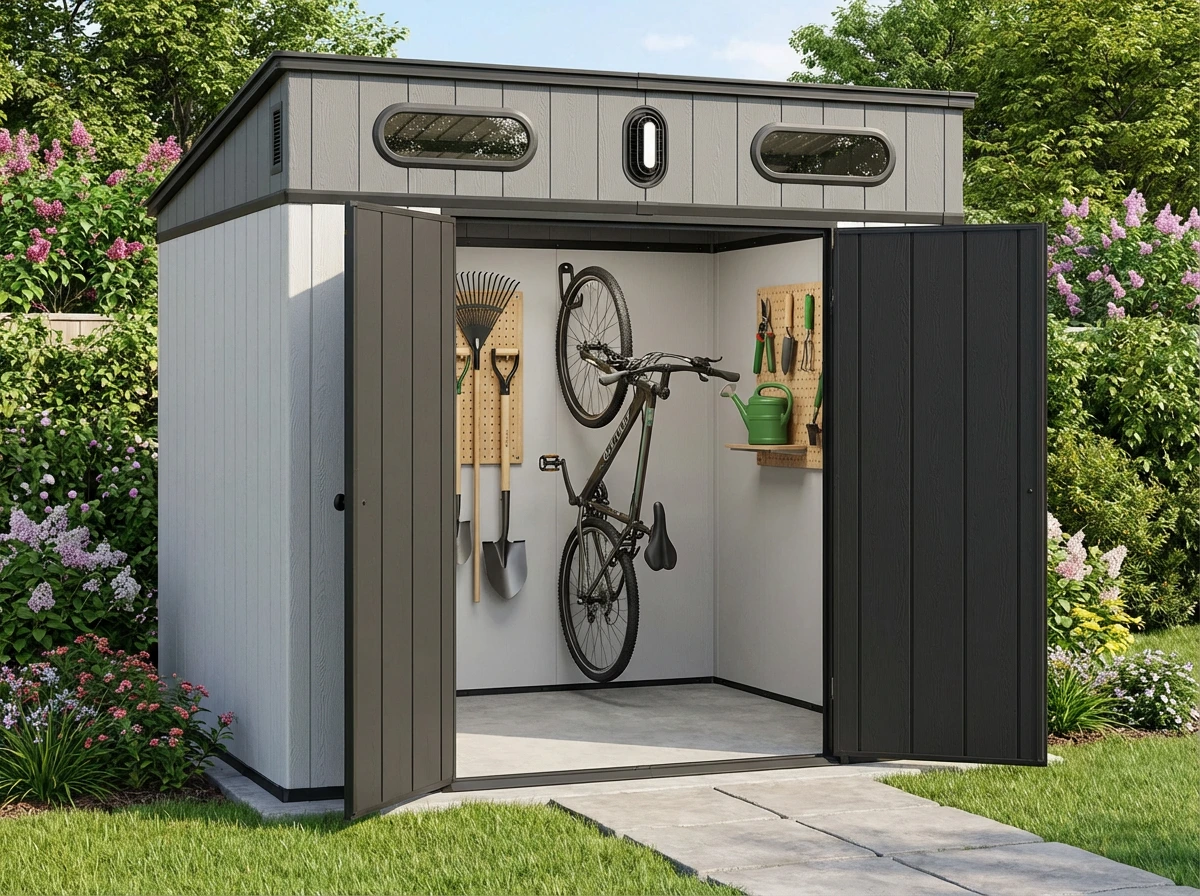
Garden tools are one of the most common items stored in a garden shed. Items such as shovels, rakes, hoes, and pruning shears are designed for outdoor use and can easily withstand shed environments. To keep tools organized and protected, you’d better install wall hooks or tool racks and keep tools clean and dry after use. A garden shed keeps gardening tools easily accessible while preventing clutter in your home.
Many homeowners use their garden shed to store lawn care equipment such as lawn mowers, trimmers, and leaf blowers. Keeping these items in a shed protects them from rain and sun exposure. Remember to keep the shed dry to avoid rust from moisture.
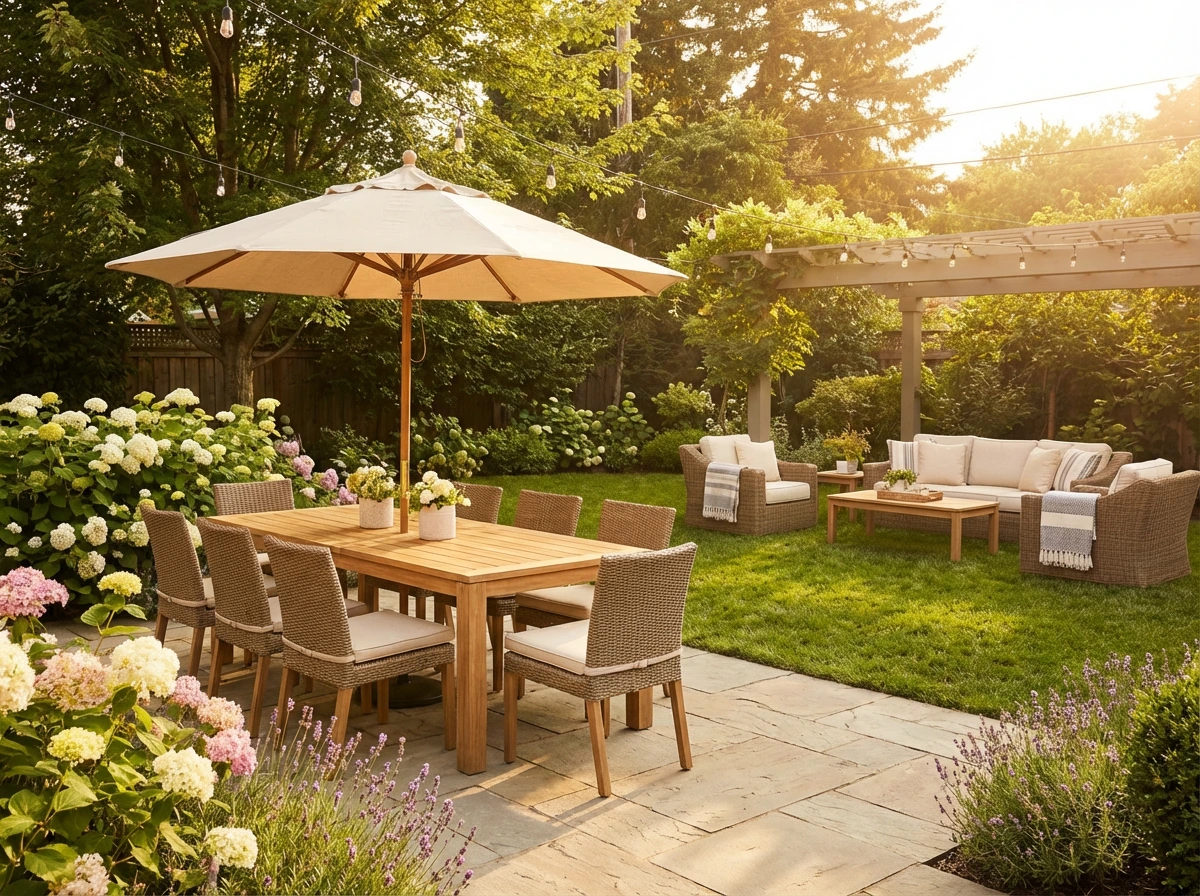
Garden furniture, also known as outdoor furniture, is designed for outdoor use and is commonly used for backyard relaxation and entertaining. A garden shed can be a practical place to store outdoor furniture cushions and patio accessories, especially during rainy seasons or colder months when they are not in use.
To help protect these items from mold or mildew, it is recommended to store cushions in sealed plastic bins and ensure they are completely dry before placing them in the shed. Proper storage helps maintain the condition of your outdoor furniture and extends its lifespan.
A garden shed is an excellent storage solution for seasonal outdoor items that are not used throughout the year. Common seasonal items stored in garden sheds include:
Using a garden shed for seasonal storage helps free up space in your home or garage while keeping these items protected from weather exposure.
Many homeowners also use garden sheds as a convenient storage space for bicycles and other outdoor sports equipment. A shed provides protection from rain, sun exposure, and other weather conditions that damage these items over time.
Common items stored in garden sheds include:
Storing these items in a shed helps keep them organized while protecting them from weather damage, which can extend their lifespan and keep your backyard tidy.
Electronics and batteries are highly sensitive to extreme temperatures, humidity, and moisture, which are common conditions inside many garden sheds. Another concern is rodents such as mice and rats, which often seek shelter in sheds. These animals may chew on wires, cables, and plastic components, causing serious damage to electronic equipment. For these reasons, the following items are not recommended for storage in a garden shed:
High humidity can lead to internal corrosion on circuit boards and metal parts, while moisture exposure may cause short circuits, battery leakage, or permanent device failure. In addition, dust, insects, and small debris commonly found in sheds can enter electronic devices and interfere with their internal components, leading to reduced performance or malfunction over time.
Paint, solvents, and certain chemicals can degrade or become unsafe when exposed to fluctuated temperature. Paint may separate or freeze and paint thinner or fuel-based solvents can become hazardous when exposed to heat.
In addition, poorly sealed chemical containers can release strong odors or harmful fumes, which may accumulate in an enclosed shed space.
If food items like pet food, bird seed, or livestock feed are stored in a shed without proper protection, they can quickly become a target for unwanted animals like mice, rats, ants, and other insects. Rodents can chew through packaging to reach the food, and create a mess inside the shed. If you must store these items in your shed, it is important to use airtight metal containers or heavy-duty plastic storage bins with tight-fitting lids.
Documents, photographs, and valuable items should never be stored in a garden shed. Changes in humidity and temperature can damage paper, while sheds are generally less secure than indoor storage areas. Items such as passports, contracts, and personal records should always be stored inside your home.
Many items are highly sensitive to moisture and humidity, which are common conditions inside garden sheds.
Items that are especially sensitive to moisture include:
When exposed to moisture, paper products may warp, stain, or grow mold, while fabrics can develop unpleasant odors and mildew.
Learn more about garden shed storage at DiBiBi.