
Constructing Safe and Sturdy Metal Sheds
Constructing safe and sturdy metal sheds can be a daunting and complex task. However, with the right knowledge and skills,…

Walk into any trade show or flip through a commercial supply catalog and two materials take center stage in outdoor storage sheds: galvanized steel and aluminum alloy. Both have been trusted for decades on patios, construction sites, and industrial yards.They promise different strengths and come with unique trade-offs. Whether you are a homeowner picking a backyard shed or a business sourcing products for your customers, galvanized steel vs aluminum is key.
In this guide, we’ll cover everything you need to know, from the structure of aluminum and galvanized steel to how they perform in real life, so you can make a confident choice. There’s no single winner here, because the right answer depends on what you’re actually storing, where, and for how long.
It’s worth seeing how flat sheets of these metal turn into outdoor storage sheds. How they’re shaped affects their size, finish, and overall strength, which decides how well your shed will hold up over time.

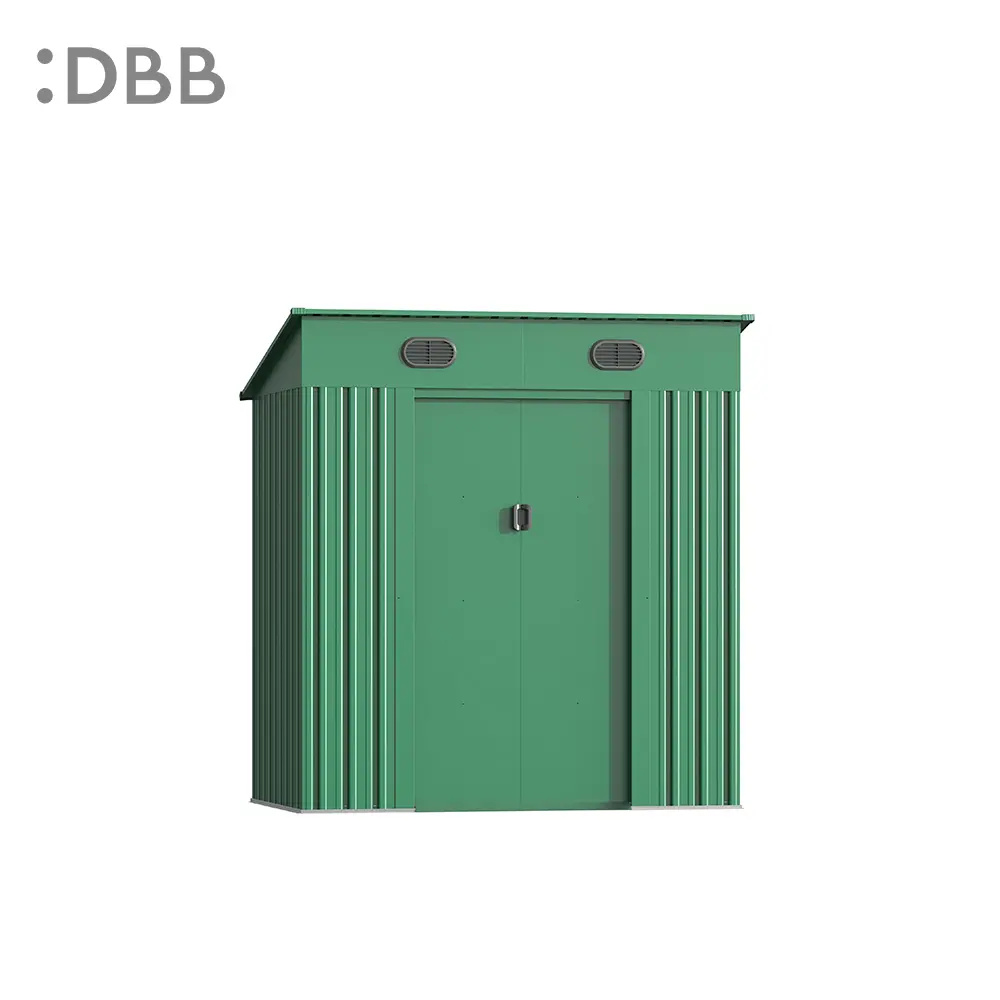
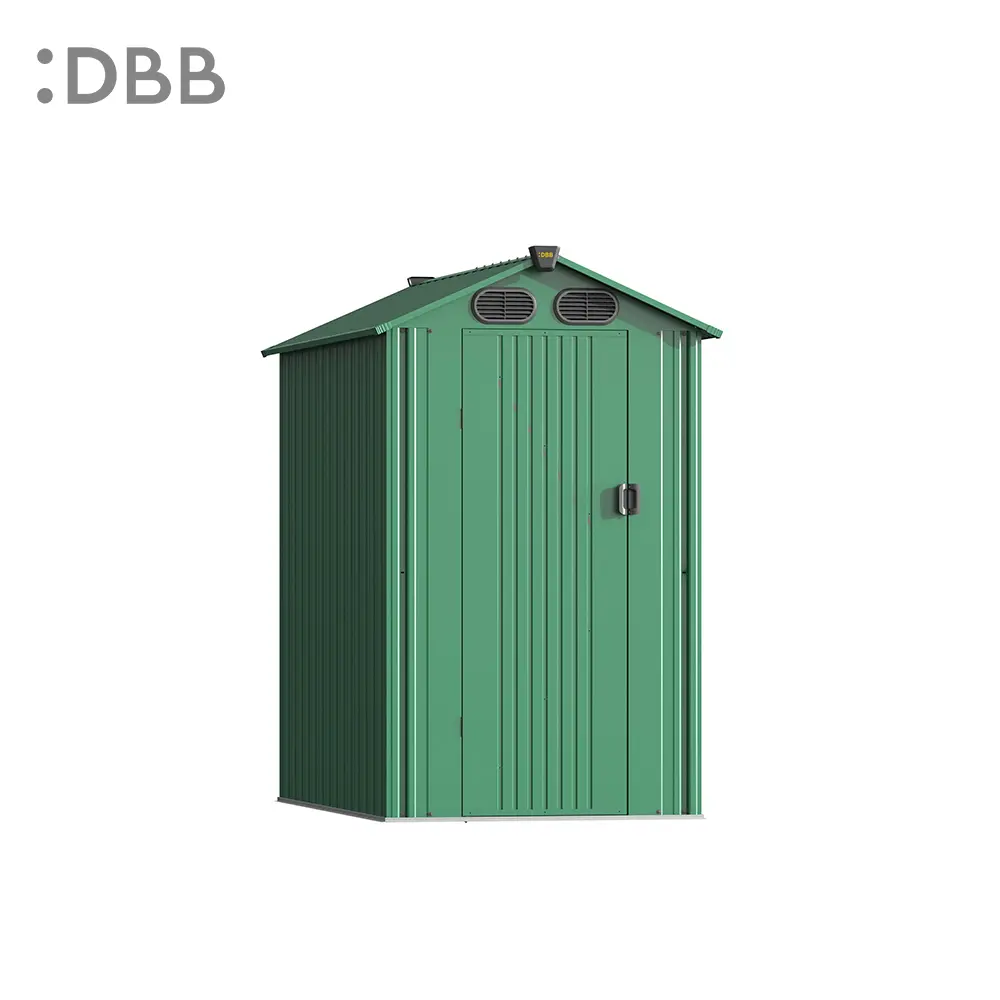
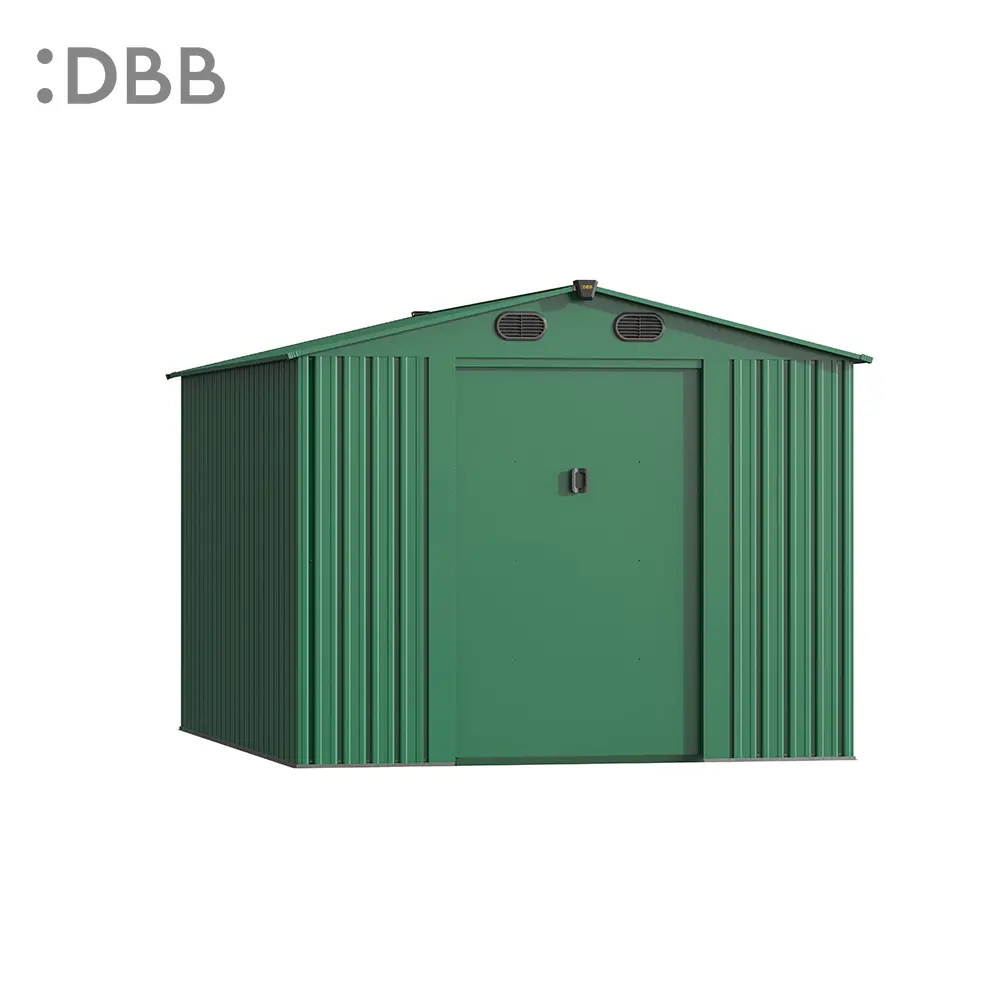
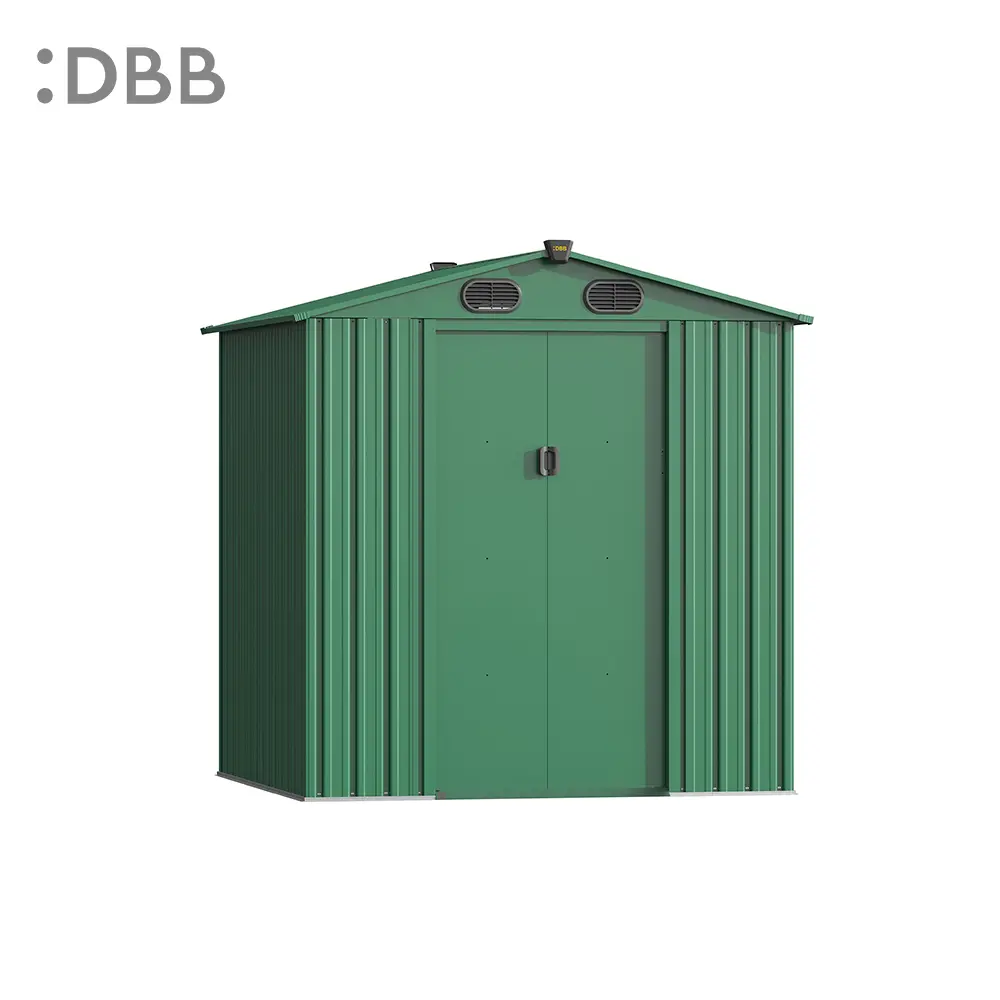
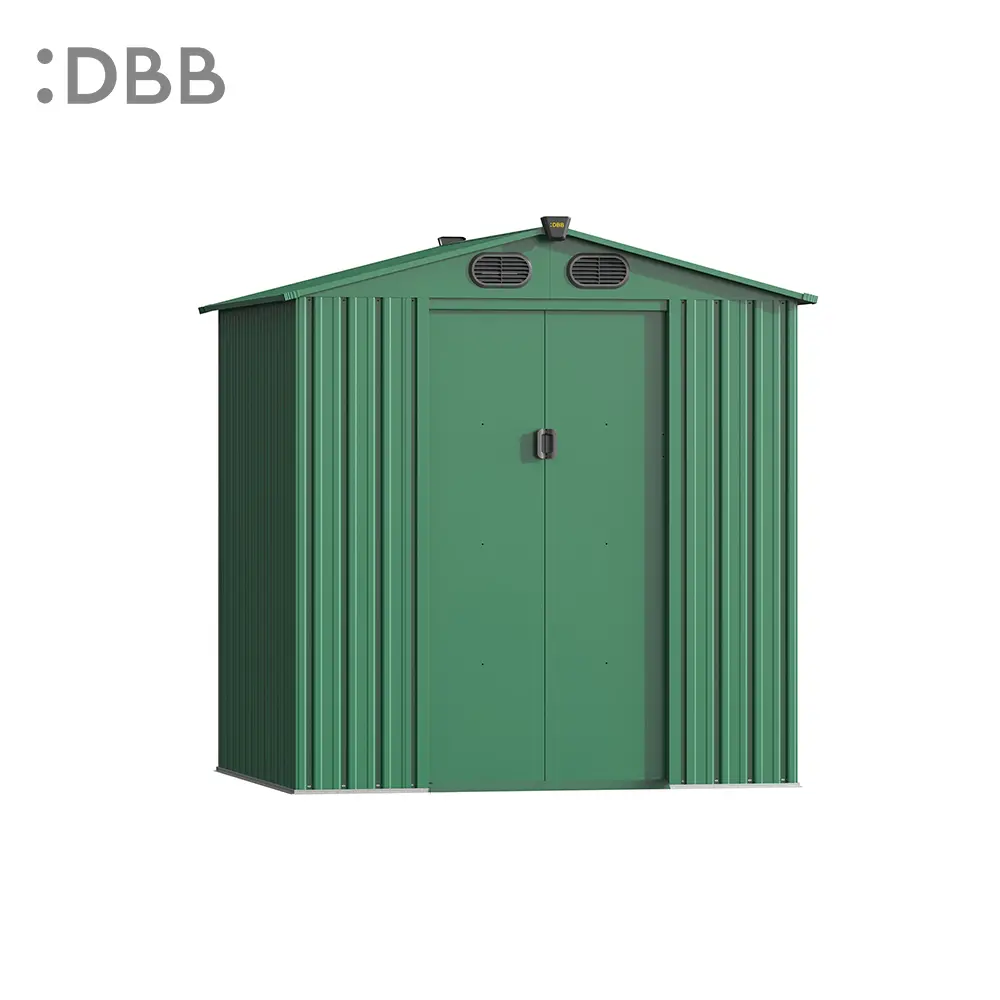
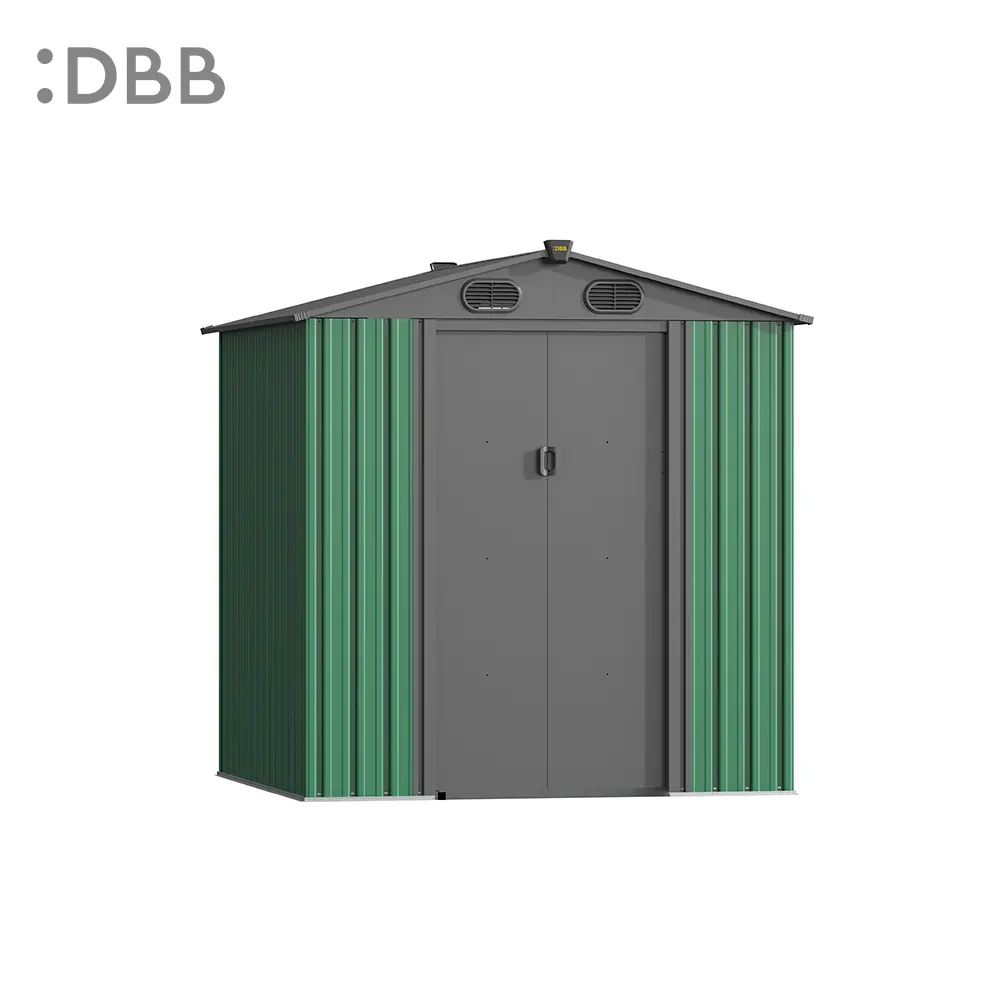
Galvanized steel is low-carbon steel protected by a zinc coating applied through hot-dip or electrolytic processes. Sheet thickness ranges from heavy (gauge 12) to light (gauge 29). It is the workhouse of the outdoor storage shed industry because it offers high tensile strength and can be painted in durable colors. The unique steel resists rust much better than normal type, and unlike stainless steel, it offers similar durability at a lower cost.
The aluminum for outdoor storage sheds typically comes in 3003, 5052, or 6061 alloy series.
| Alloy Series | Common Use in Sheds | Key Property |
|---|---|---|
| 3003 | Wall panels, roof sheets | Excellent formability, moderate strength |
| 5052 | Marine/coastal panels, storage boxes | Highest corrosion resistance of common alloys |
| 6061 | Frame extrusions, door frames | Heat-treatable, high structural strength |
It weighs about a third of steel for the same volume, naturally resists corrosion, and is fully recyclable. While the raw material cost is higher, aluminum sheds usually require less maintenance over their lifetime, which makes them especially suitable for coastal or high-humidity environments.

When it comes to supporting heavy loads, Outdoor sheds made by galvanized steel takes the lead.
Its tensile strength ranges from 250 to 550 MPA depending on the grade. The better the grade, the more weight and pressure the steel can handle before bending or breaking.
For outdoor shed frame materials, the most widely used specification is G90-grade ASTM A653, a North American standard that guarantees a minimum zinc coating thickness for reliable outdoor protection.
Aluminum, particularly 6061-T6 alloy, achieves a tensile strength of around 310 MPa while weighing only a third as much as steel. This makes aluminum sheds and storage boxes easier to handle, transport, and assemble, but for very heavy-duty use or large industrial sheds, galvanized steel remains more cost-efficient.
Galvanized steel panels regularly provide 20 to 30 years of service life when maintained properly. The thickness of the zinc coating play a significant role, and steel panels resist dents and impacts better than aluminum at similar thicknesses.
Aluminum typically does not corrode, so outdoor storage panels made of it can last 30 years or more without active maintenance in moderate climates. However, aluminum panels are softer and more easily to denting when subjected to repeated physical press or heavy items.
Both materials offer long-term durability, but steel perform under mechanical stress, while aluminum excels in corrosion-prone environments.
Galvanized steel outdoor sheds provides excellent wind resistance because of its structural rigidity and their ability to hold snow. The bolder or sloped the roof, the better it sheds snow. Flat roofs or poor water drainage can make the protective zinc coating wear down faster over time.
Aluminum naturally blocks water because it forms a protective surface layer on its own, so it doesn’t need paint or extra coating to stay rust-free. Its lighter weight can make it move more in strong winds if it’s not securely anchored, but for rain and snow, aluminum panels perform just as well as steel of similar thickness.
In humid or coastal areas, aluminum is often the better choice.
Galvanized steel generally costs 30 to 50 percent less per kilogram than aluminum. This advantage makes it attractive for large storage sheds. However, its heavier weight does increase shipping costs.
Aluminum has a higher upfront cost compared to steel, but its low maintenance and high recyclability can make the total cost of ownership lower over 10 to 20 years.
Steel sheds need regular inspection, especially at cut edges or areas where water can collect. Small scratches or damage can be fixed with a touch of paint. In coastal or industrial areas, it is best to repaint every two years to maintain the full lifespan.
Aluminum sheds or storage boxes, on the other hand, require very little maintenance. A rinse with fresh water to remove salt or pollutants is enough.

Galvanized steel panels are protected by a zinc coating that helps prevent rust. In temperate inland climates, this protection can last more than 25 years before any red rust appears. In coastal areas with salty air, steel panels may corrode faster.
Aluminum naturally forms a protective surface layer that prevents traditional rusting and is highly resistant to most weather conditions. Among all aluminum series, the 5052 is more eco-friendly and usually chosen for true marine exposure. Across most climates, aluminum tends to outperform steel in corrosion resistance.
To create a visually appealing look for outdoor storage, most manufacturers use polyester coatings on galvanized steel panels. This combination can fade noticeably after three to five years of sun exposure. Aluminum, by comparison, is much more resistant to sunlight and can retain its color and gloss for ten years or more, making it the better choice when long-lasting appearance is important.
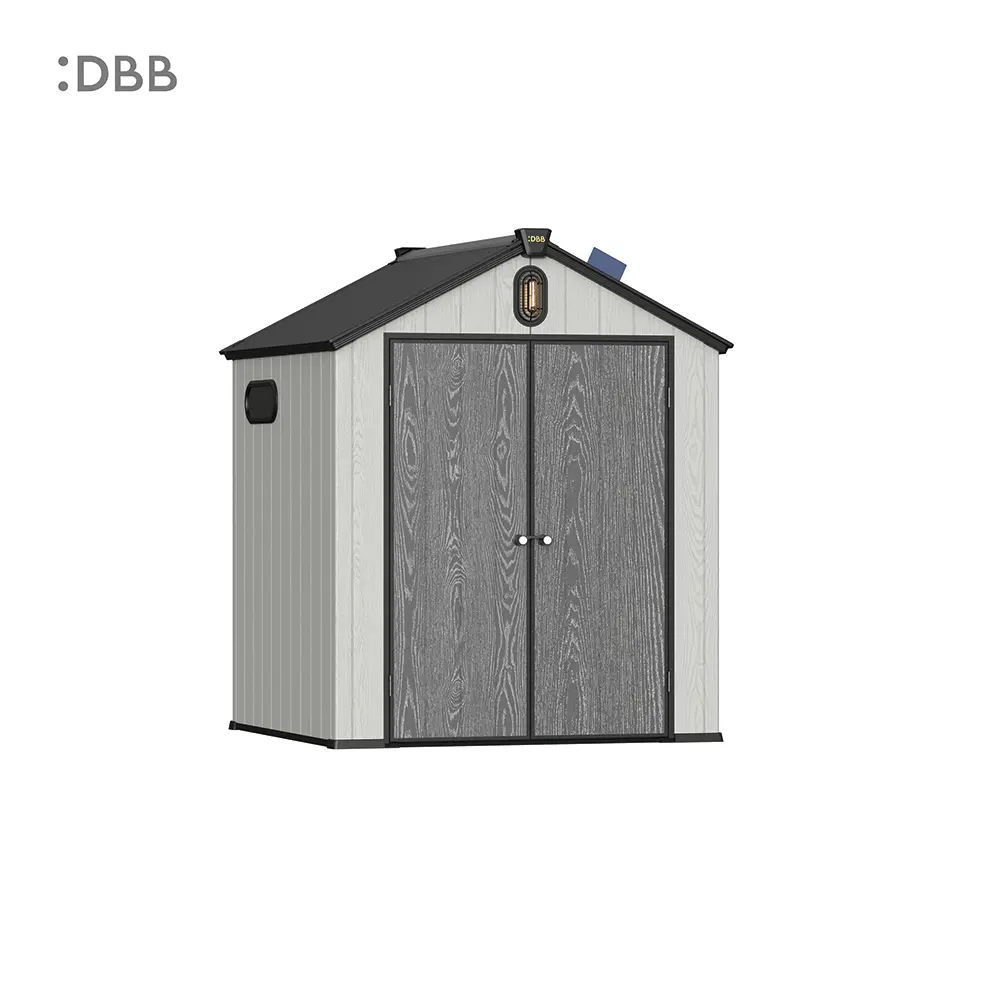
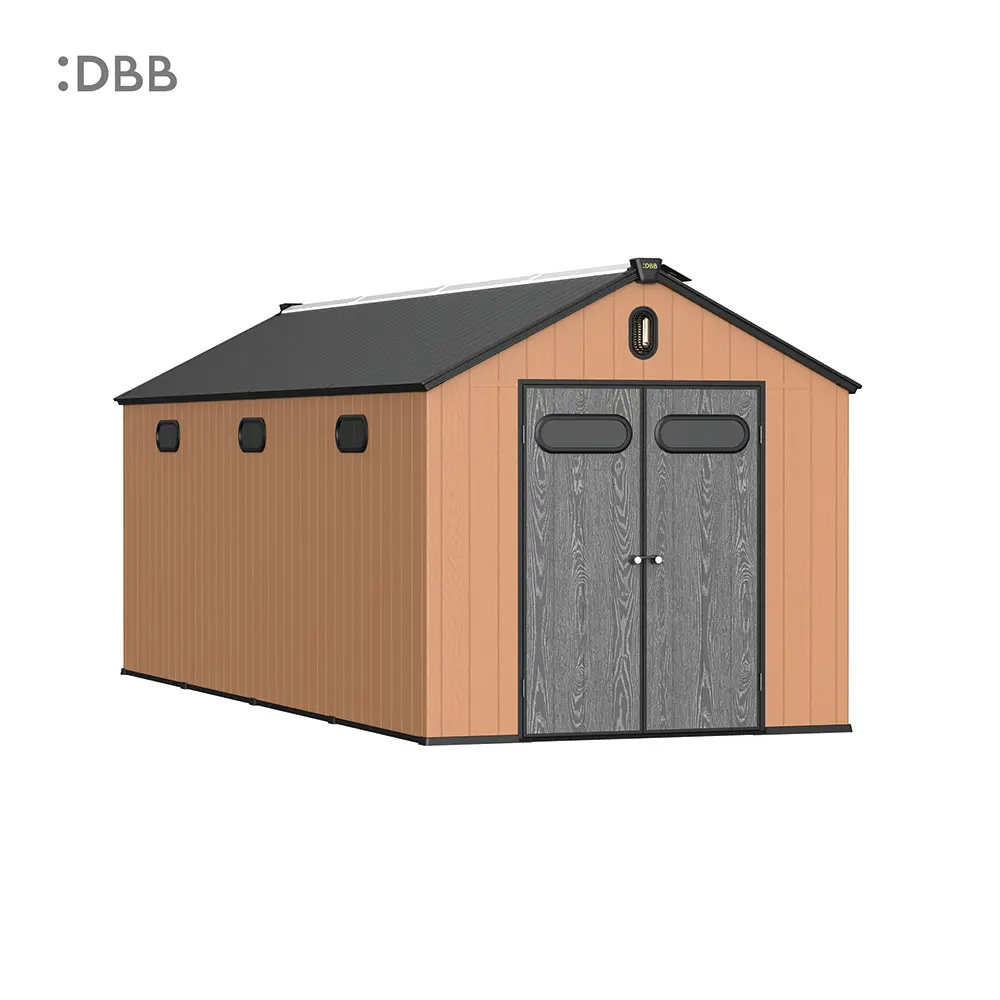
At Dibibi, we offer custom outdoor sheds in a variety of colors. Options include Teak, Ebony, Gray, Graphite, Navy, and Oak, so you can choose a style that fits your space and keeps your shed looking great for years.

With over ten years of experience in outdoor structure manufacturing, our outdoor storage products are built with premium, high-quality metals and industry-leading construction techniques to last for years.
we provide not only small outdoor storage sheds, like steel box or decks, but also commercial aluminum carports. This high quality vehicle patio can withstand wind speeds of 80 to 100 miles per hour and handle snow loads of at least 80 pounds per square foot. From heavy-duty galvanized steel to rust-resistant marine-grade aluminum, Dibibi outdoor storage provides the strength and protection you need for reliable performance in any environment.
When weighing aluminum vs galvanized steel for your outdoor storage shed, no single material wins on every front. Here we provide a table of the comparison
| Feature | Galvanized Steel | Aluminum |
|---|---|---|
| Load-bearing | Higher strength per cost | Adequate for most applications |
| Durability | Better impact resistance | Longer maintenance-free life |
| Weather resistance | Strong with proper drainage | Superior water resistance |
| Cost | Lower upfront | Lower lifetime cost |
| Maintenance | Low, not zero | Near-zero |
| Corrosion | Excellent inland | Superior across most climates |
| Color retention | 3 to 5 years (standard coat) | 10 to 15 years (premium coat) |
Choose galvanized steel if budget is your priority, you need maximum structural strength, or your shed will sit in a dry inland location. if you are in a coastal or high-humidity area, want minimal upkeep, or need a continual visual appeal, aluminum frames will be better.